


As a coffee drinker, you have a wide range of choices on how to fill your cup—anywhere from a $1 pour at your local fast food restaurant, to a $5 cup at a coffee shop, to a $200 specialty bag from an ultra limited micro lot. So how do you know what’s worth your investment? And are expensive coffee beans really worth the premium? Here’s our honest guide to demystify coffee buying.
What Makes Great Coffee More Expensive?
First, let’s talk about what you’re paying for when you buy expensive coffee vs. cheap coffee. At every stage of the process, great coffee costs more and requires more labor to grow, pick, transport and roast. The ideal coffee is grown in a high-elevation location by a farmer who’s fairly compensated, picked at peak ripeness, transported quickly to a processor, sorted ruthlessly, pulped, fermented, washed, and dried accurately, exported in special “grain pro” bags rather than just plain burlap, and then roasted within a few weeks of when the customer will drink it. Your beans are handled by dozens of people across the world, and everything needs to go perfectly to create a delicious cup.
As you can imagine, there is a great temptation to cut a corner here or there simply to reduce the amount of cost and time built into the chain. Farmers are incentivized in all directions, fertilizer, pesticide, watering, maintenance, more plants per hectare on and on. Pickers can be tempted to pick more than just the ripest coffee cherries. Processors can relax a wide variety of standards and increase production volume. Roasters can batch out large volumes of coffee and simply store great quantities of things to ease the “on demand” stress of roasting things fresh (trust me this stress is real). The result of all these compromises can be a slightly cheaper coffee, but most if not all of these shortcuts don’t compare to the greatest shortcut of all, just buy C grade. It’s still expensive right now, but it has nothing on the cost of specialty coffee…
But to cut costs, the coffee industry is tempted to take shortcuts at every step of this timeline. Brands can grow coffee at less desirable locations and pick beans before they’re ripe. Beans can remain in storage for months before they’re roasted, and then stored for months again after being roasted. The result is a coffee that’s available at a low price, but lacking flavor and freshness, and usually over-roasted to disguise inconsistencies.

Is Some Coffee Too Pricey?
On the other end of the spectrum, coffee can certainly be overpriced for some palates. Just like certain bottles of wine can command prices in the thousands, some rare coffees ask prices of around $200 per bag. Many other brands price their coffees at $50 and up. Is this driven by a real quality difference or by increased marketing expenses? That’s for you to decide, but in our experience, the difference between a $20 coffee and a $50 coffee comes far more from rarity than quality. So to some, it’s very worth it because it’s a rare opportunity, to others the steady quality you know is perfect!
Is Tag Coffee a Good Deal?
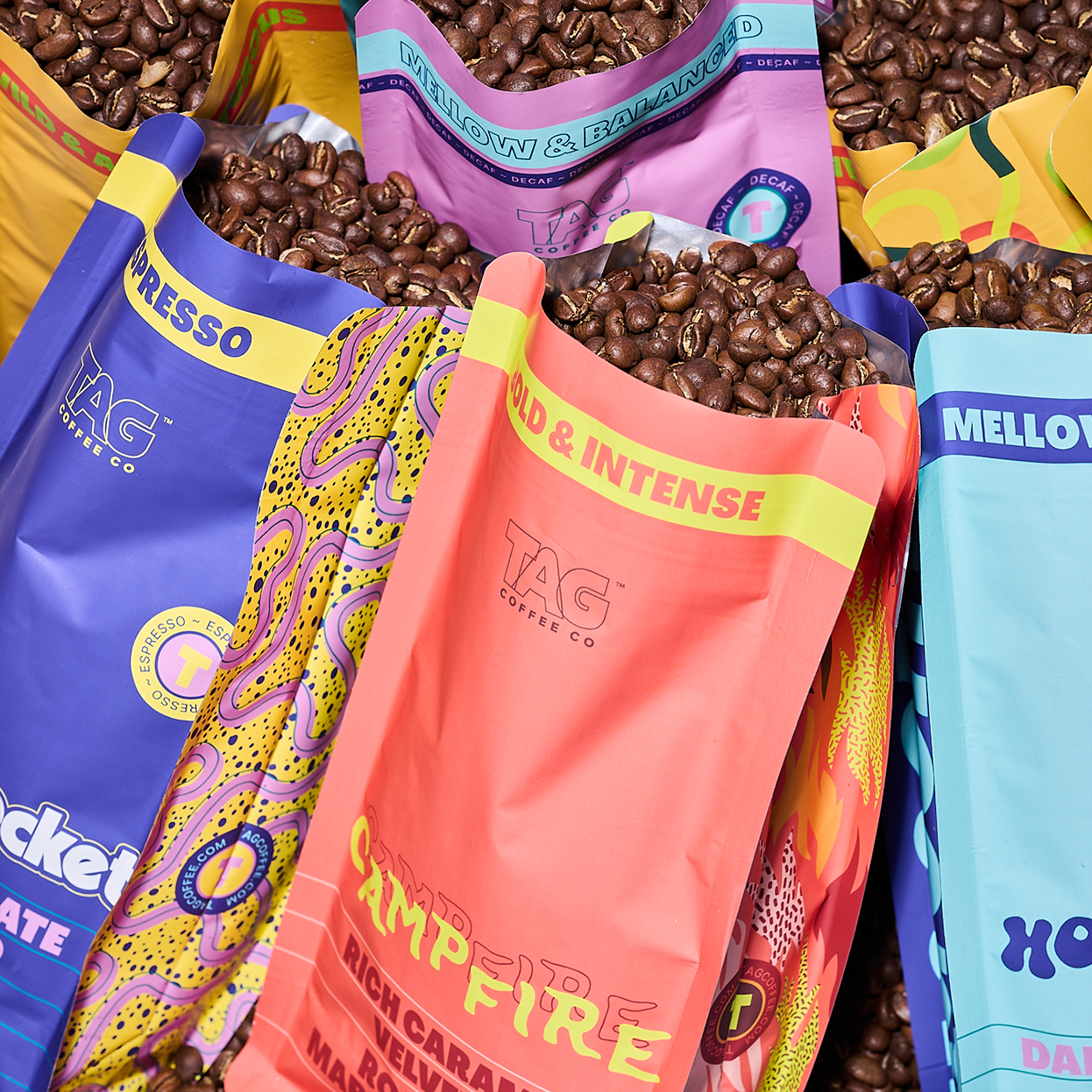
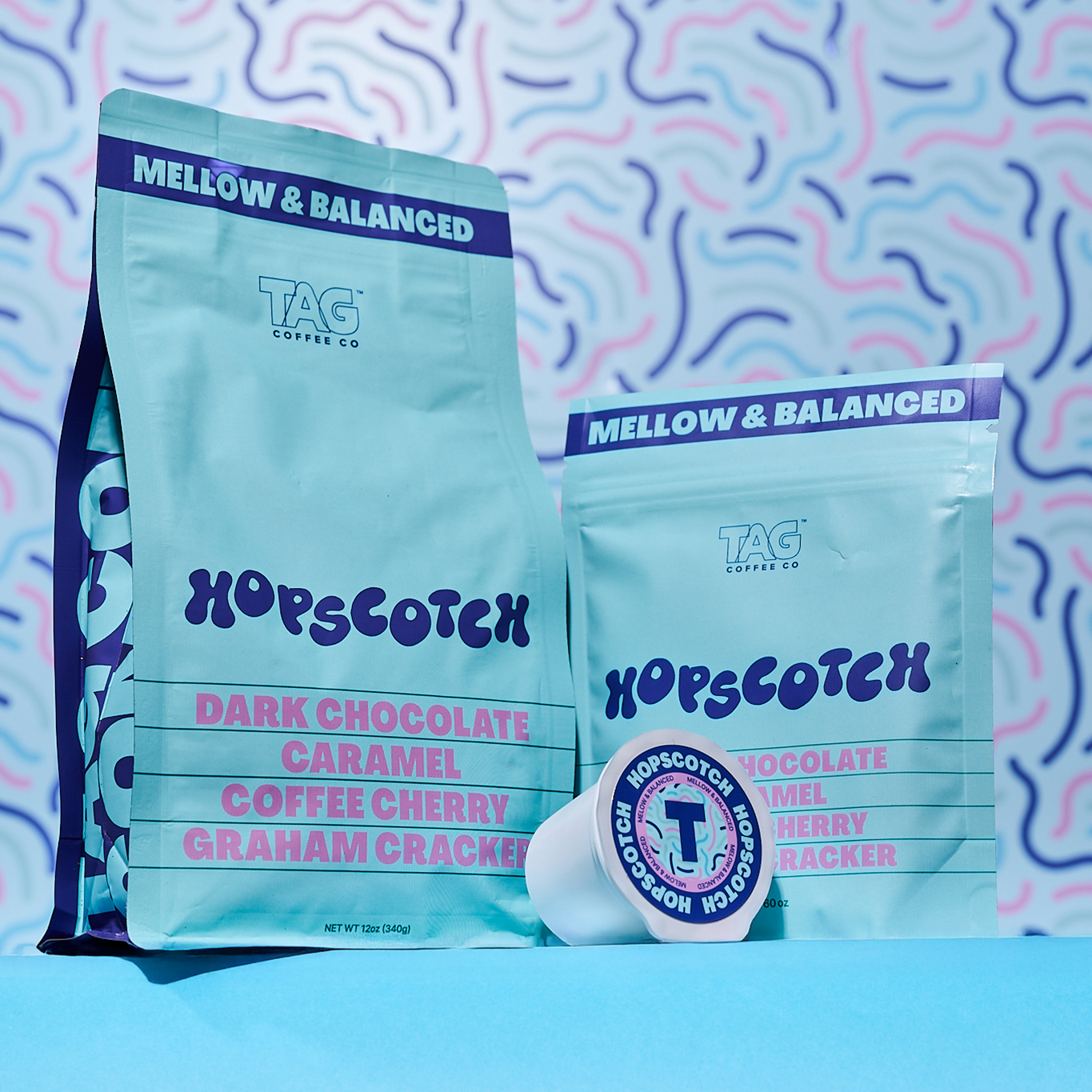
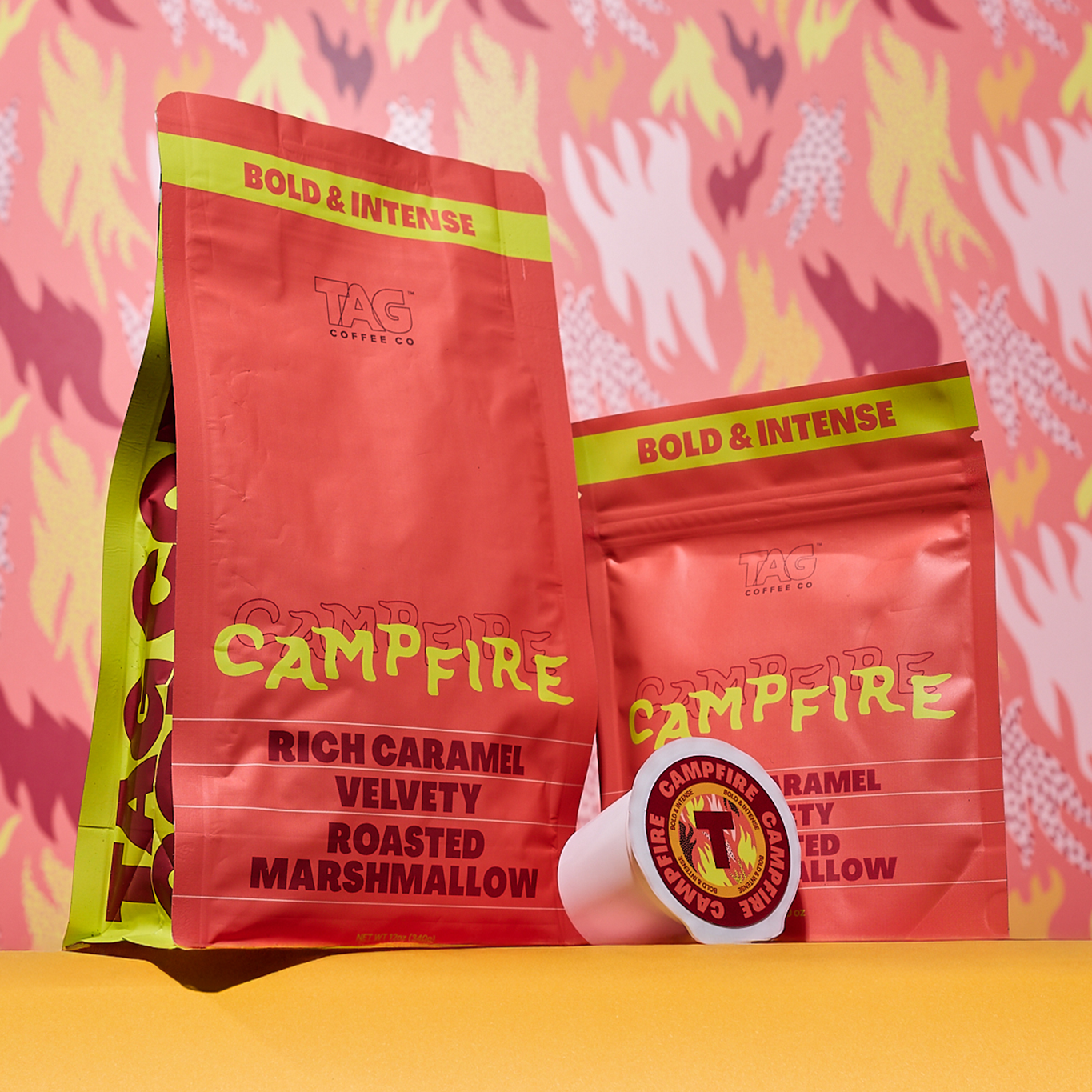
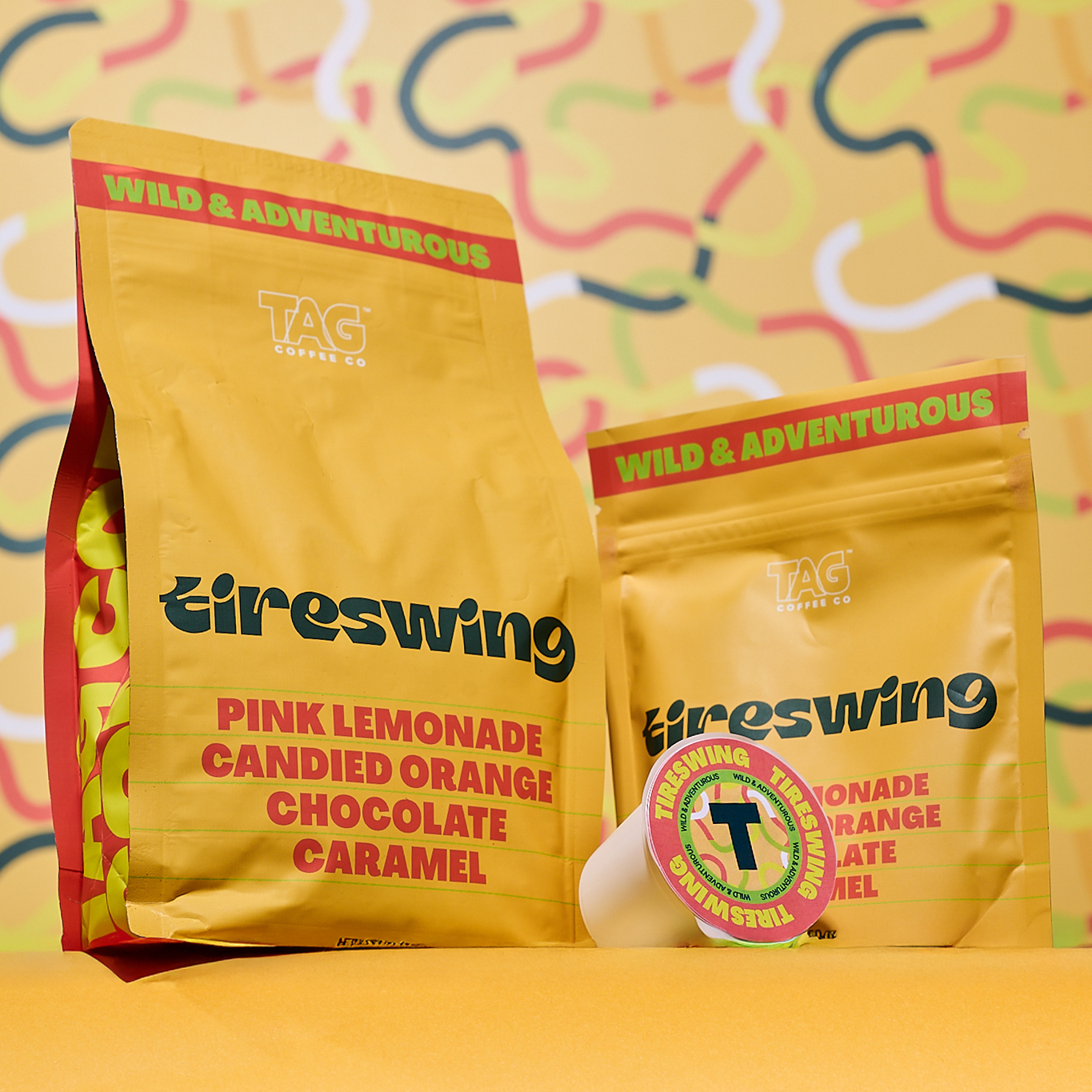
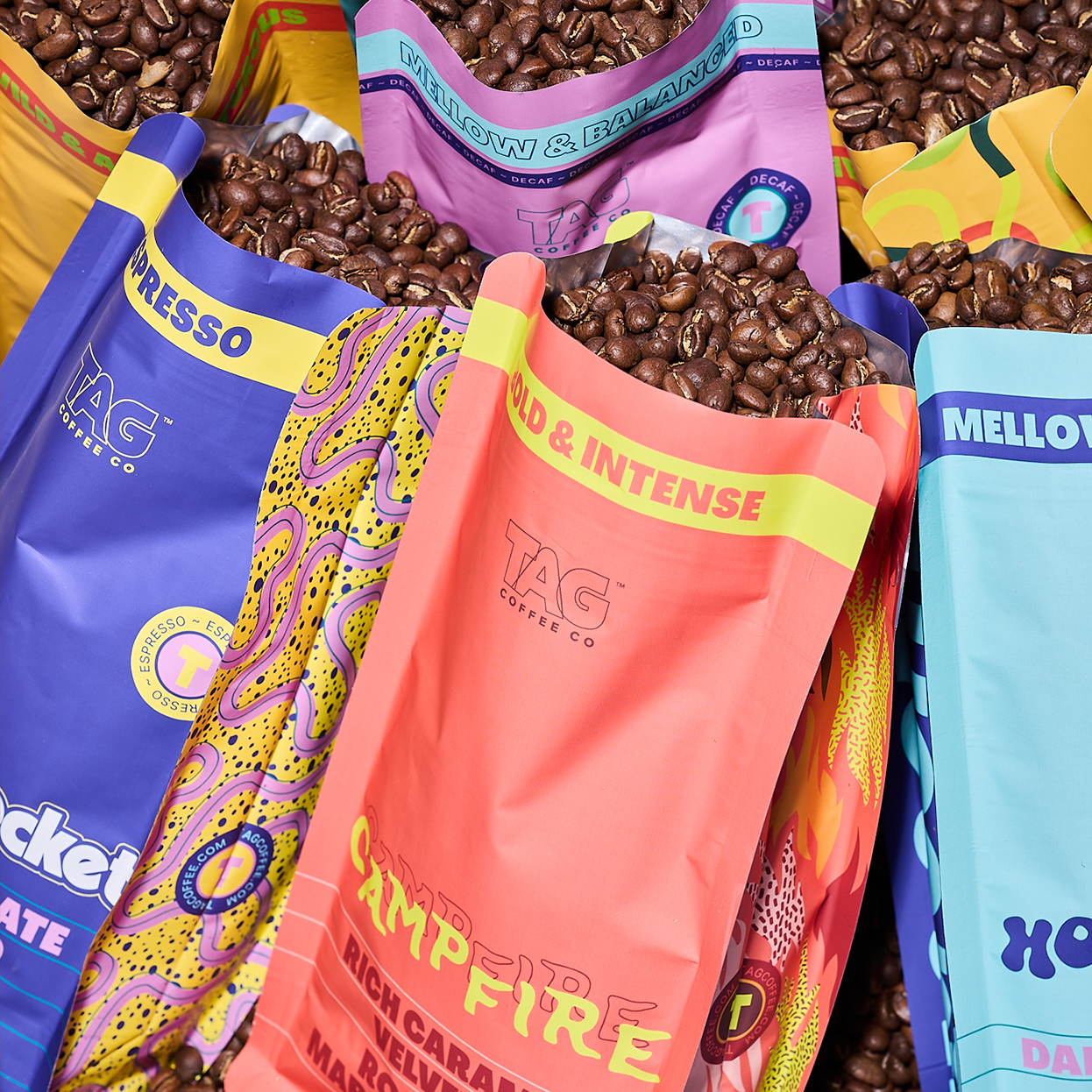
At around $20-22 per bag, Tag coffee is an exceptional product at a fair price. When you taste Tag Coffee, you can tell right away that it’s not your “typical” coffee, but one that’s been carefully grown and roasted in the last few weeks. In fact, you’ll notice a handwritten “roasted on” date on every package of Tag that shows you just how fresh it is. By contrast, visit the grocery shelves and you’ll often find coffee that was roasted six months ago or more—unfortunately, it’s already past its peak flavor. Meanwhile, the cheapest coffee won’t have a “roasted on” date at all.
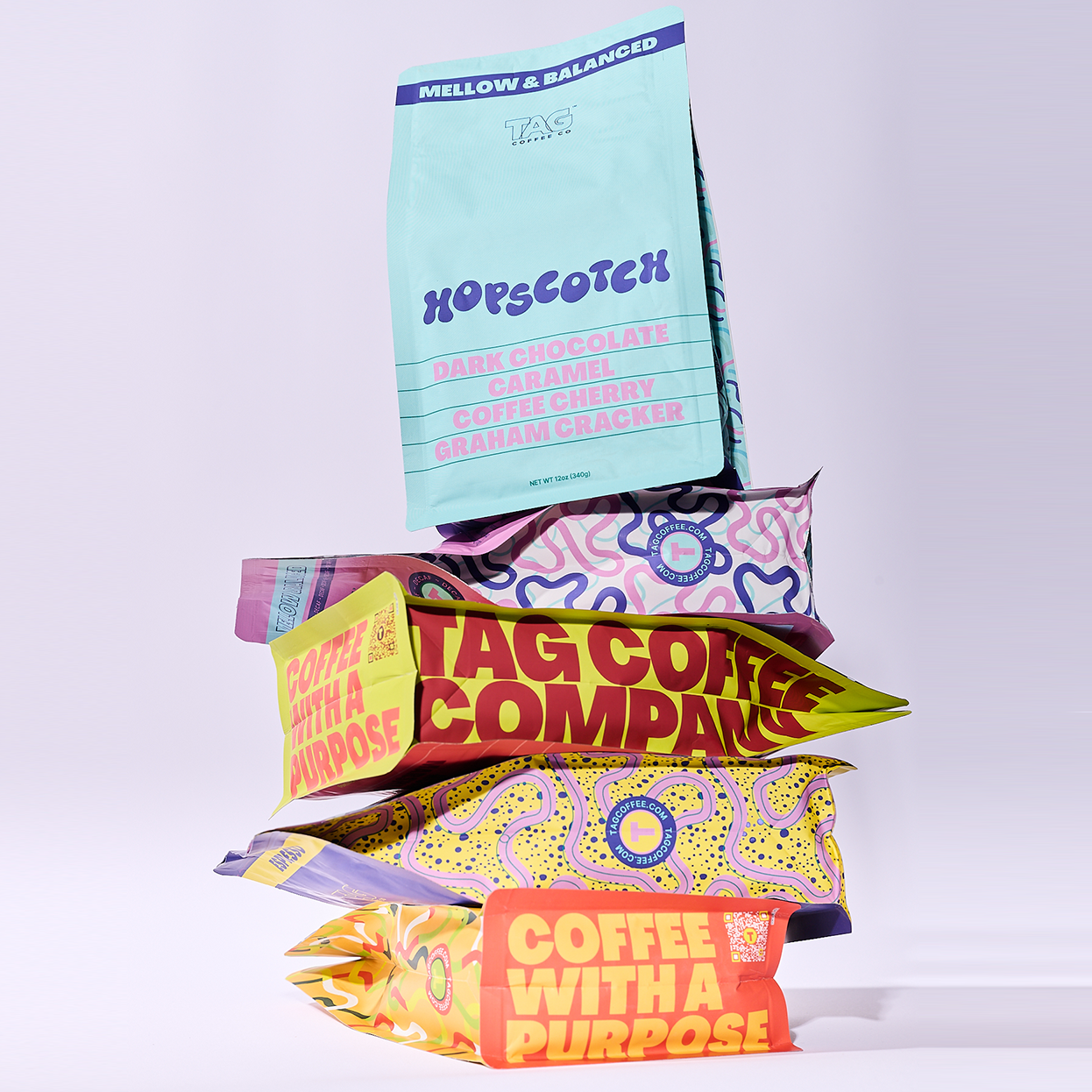
“There's something special about Tag Coffee. My personal favorite is Hopscotch—there's something about it that's perfect every time. Light, bright, and never overpowering." - Andrew, self-described coffee snob
At the end of the day, only you can decide which coffee is worth your investment. You don’t need a $200 bag of coffee to have an incredible morning cup, but you also can’t rely on stale, mass produced beans to deliver a joyful experience.
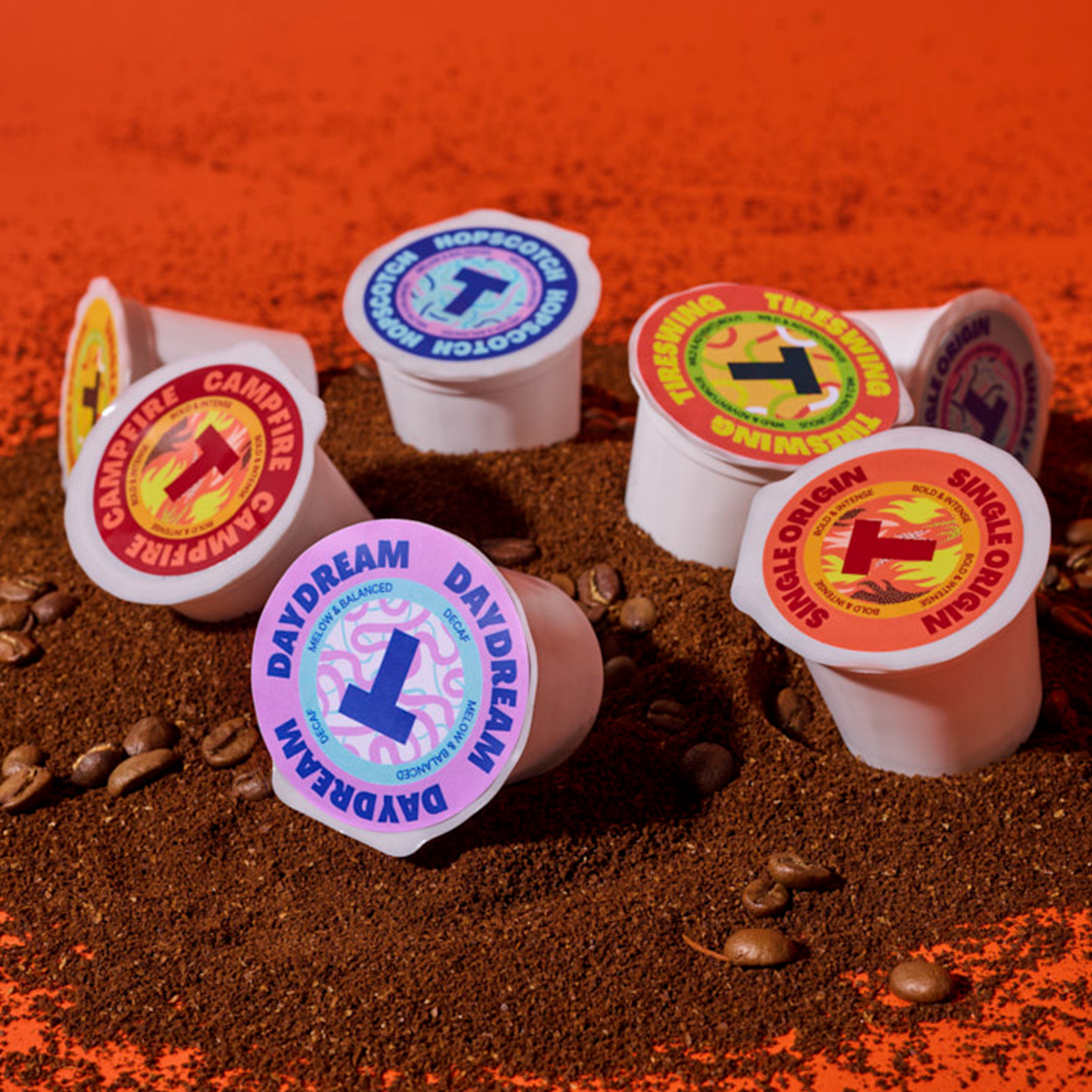
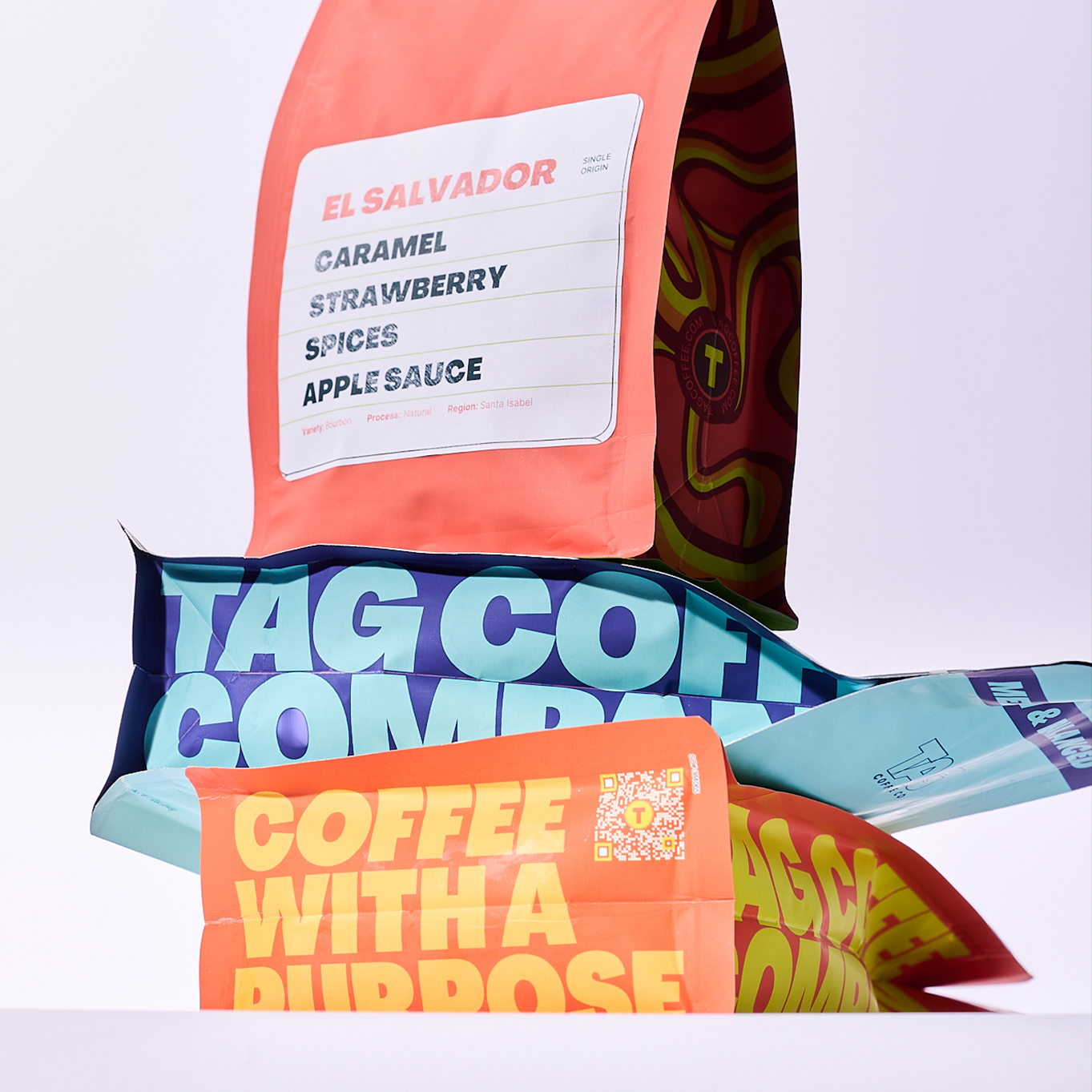
For most people, the sweet spot is somewhere in the middle: coffee that’s carefully made, fresh enough to enjoy every flavor note, and priced reasonably enough to drink every day. That’s exactly where we aim to be with Tag Coffee. Check out some of our fan-favorite blends and single origins here.


