
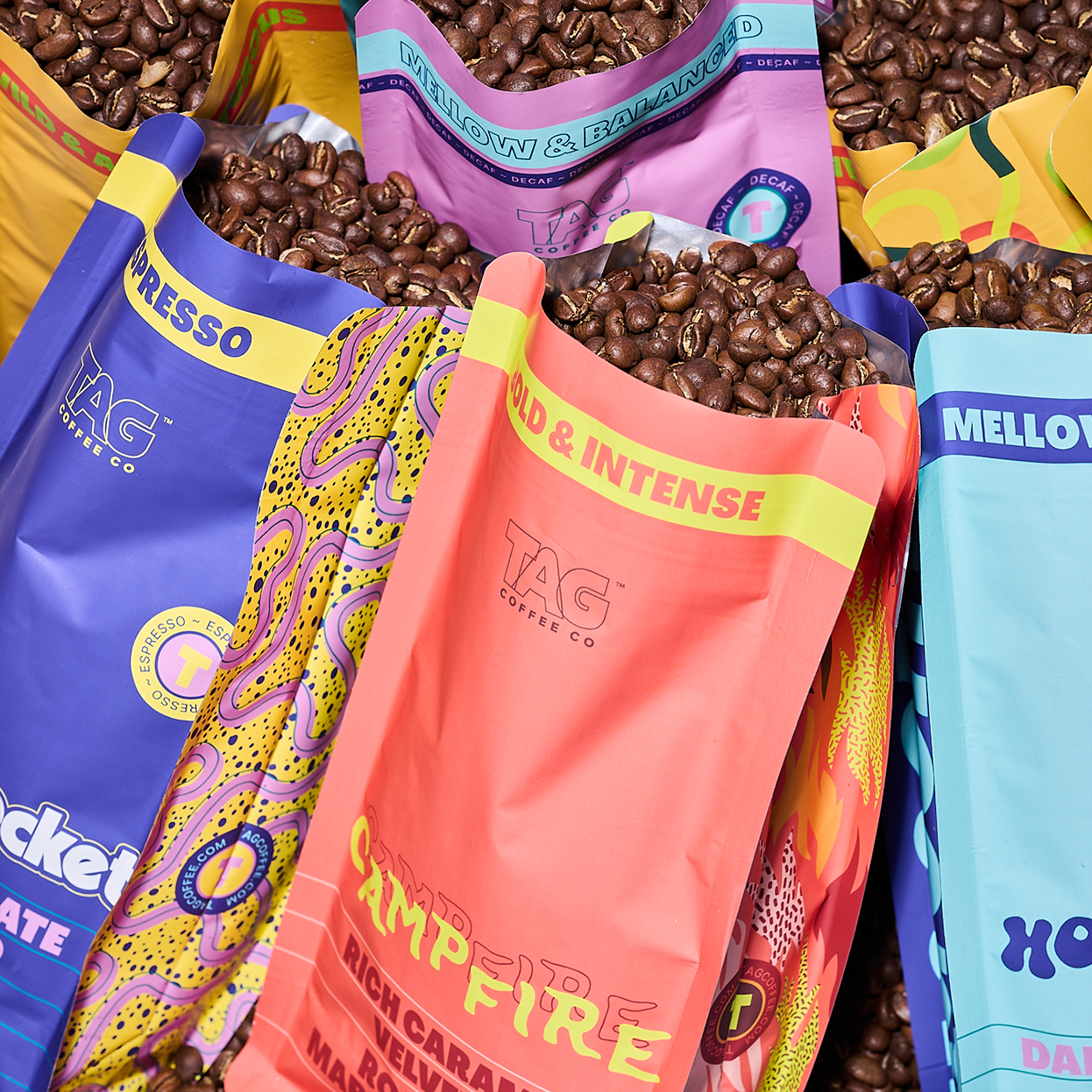



As coffee drinkers, we’ve all done it: we walk up to a hotel coffee bar or a store shelf and think, “do they have the roast level I like?” In fact, the coffee industry has conditioned us to think in terms of light, medium and dark coffee roasts because it makes choosing a coffee easier.
But today, we’re going to change your mind about roast levels: explaining what they are, why they were created, and why at Tag Coffee Co., we don’t do light medium or dark.
Why do roast levels exist?
Here’s something you probably don’t know. Centuries ago, shoppers bought green coffee beans from the general store and roasted them at home. It worked, but it was time-consuming and like so many other things at the industrial revolution, people began to prefer to pay a little more for convenience. When coffee became a mainstream packaged good in the 20th century, retailers developed early names like “cinnamon roast” to describe a very light roast, “American roast” or “city roast” to describe a medium roast, and “Vienna,” “French” or “Italian roast” to describe beans roasted in the very dark European tradition. These names were not widely known or understood so “light, medium and dark roast” eventually became the go-to language for coffee packaging.
What’s the deal with dark roast?
Originally, dark roasts were developed to address inconsistent bean quality or to make coffee consistent in flavor even if it wasn’t consistently the same exact coffee. By hitting the beans with a much higher temperature, a roaster could hide defects in the beans themselves and create a more reliable output even with fast roasts. Dark roast or more accurately described, very high development roasts, is not some sort of coffee offense, its genuinely become part of the variety of coffee “flavor preferences” out there. I totally understand the appeal, I was a “Dark roast” man (or rather boy) when I was in early high school. It’s a very strong flavor, but I learned that flavor has little to do with the green coffee, or the country that coffee came from.
So what’s different now?
Starting in the 1990s as “third wave” coffee developed, coffee connoisseurs wanted to get back to basics and roast the beans in a way that respected their natural flavors. So roasters began to pull back from the dark roast “norm.” This takes true expertise, though—unlike with very dark roasts, there’s nowhere for defects to hide. So any beans put through a light roast have to be well-grown, well-stored and more exceptional in their flavor and quality. Unfortunately by the early to mid 2000s, the 3rd wave coffee world began to overcorrect and things were getting beyond “light”. This is the same error in the opposite direction. While roasting coffee too much, covers up what the coffee naturally tastes like, Roasting coffee too little also covers up what the coffee tastes like.
What’s Tag’s philosophy on roast levels?
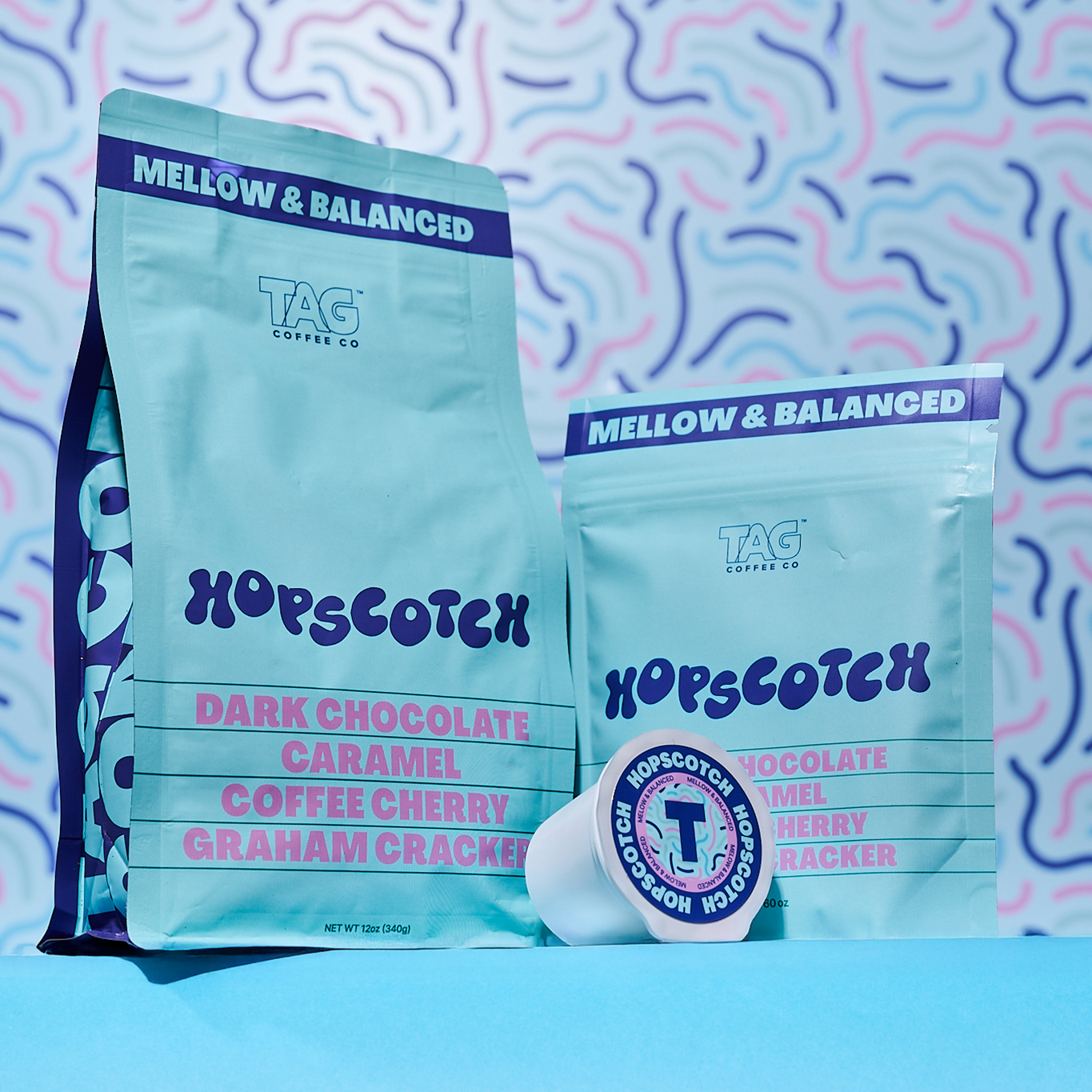
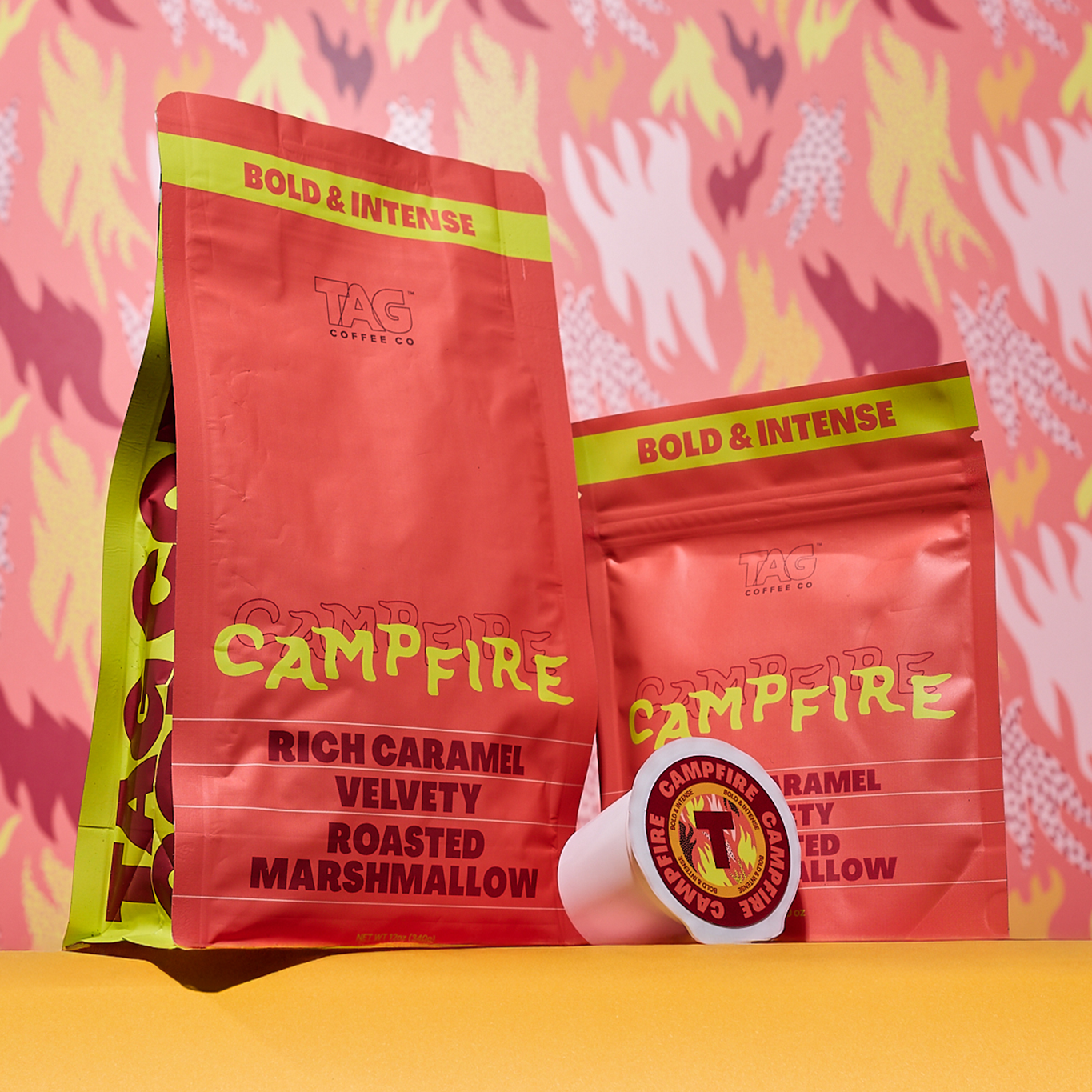
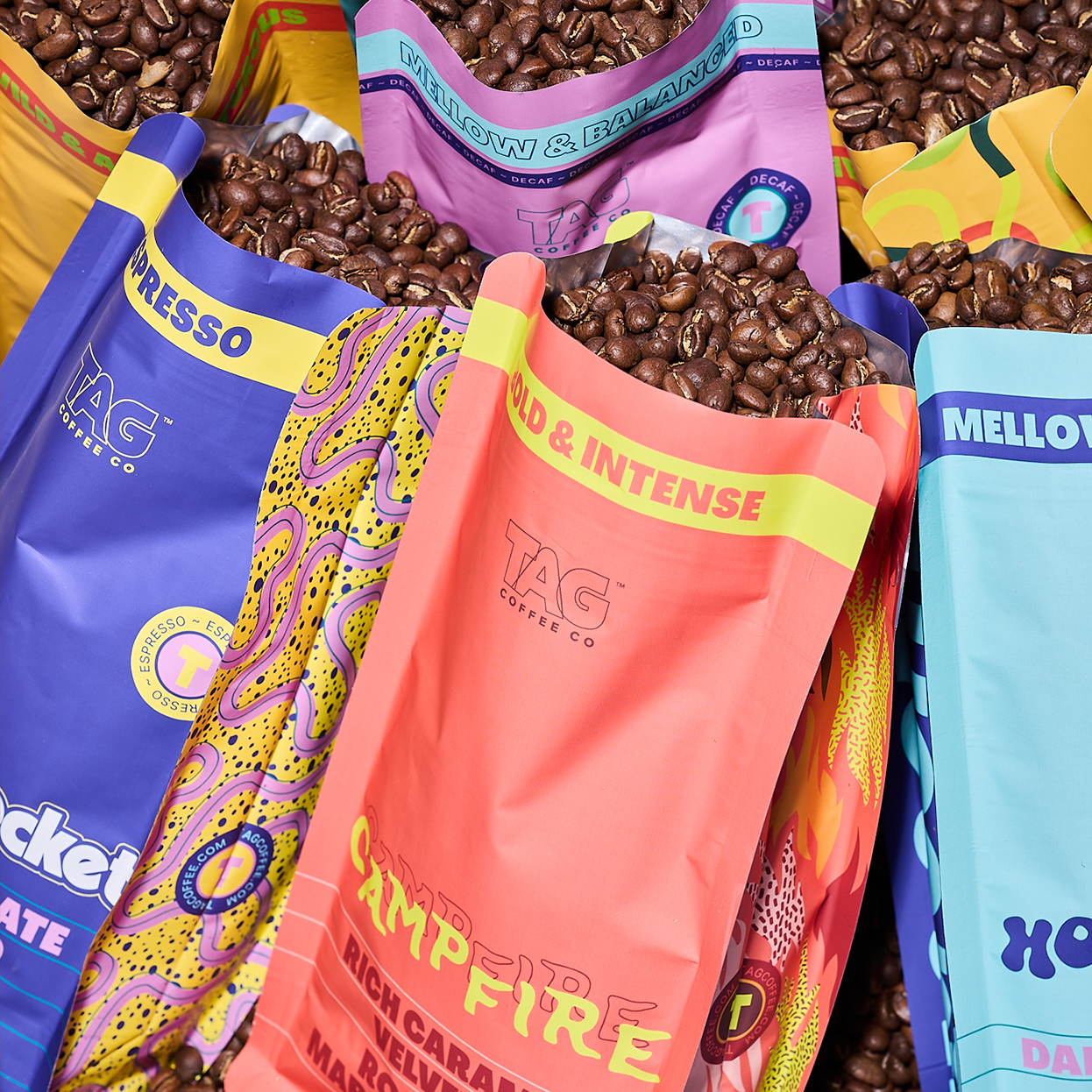
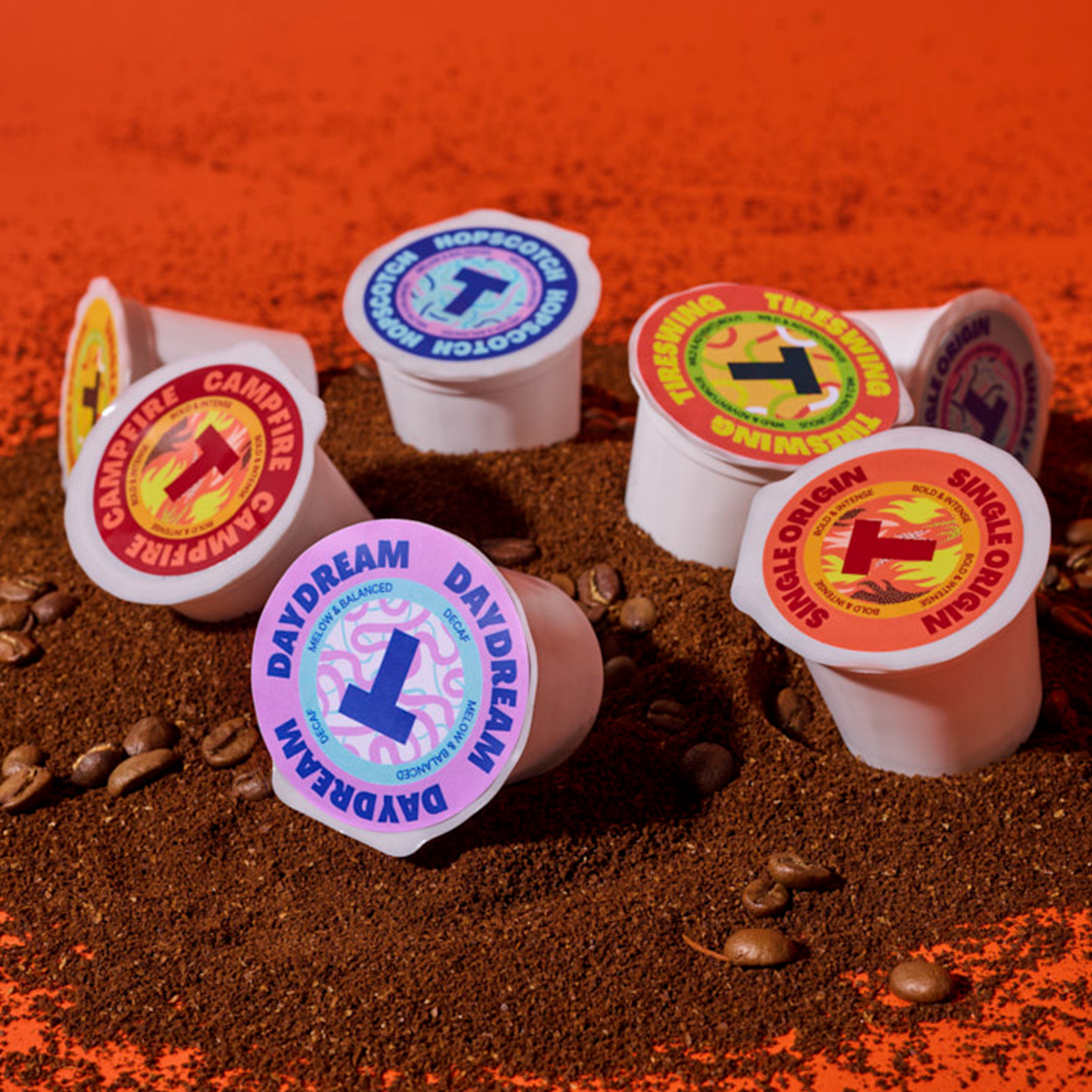
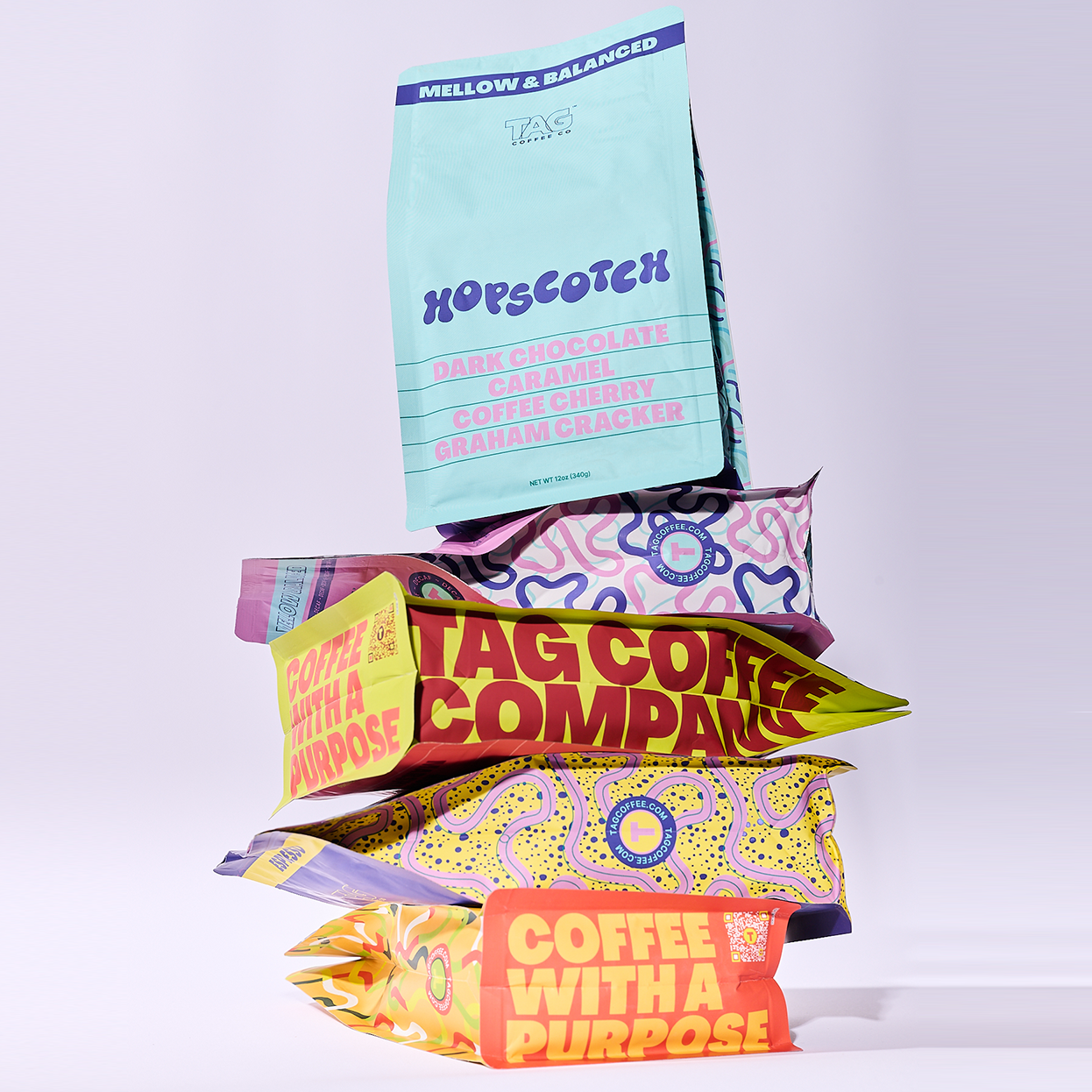
Have you ever had to dig past a pipe? Or maybe dig to a pipe to add something to it? Its a bit of a delicate dance, if you go crazy and forget its there the pipe get cut with he shovel and everyone gets wet and angry, if you are too concerned with the pipes “vibes” then you never actually get to the pipe. Roasting coffee is very similar, Its not just digging a hole, its working toward uncovering something. If you don’t care what’s there then you blow past it and if you stop short of where the roast needs to go, then you never actually uncover what’s truly amazing about the coffee. It’s simple, even if it’s not easy. We don’t have roast levels! First of all, Light, Medium and Dark are not accurate descriptions, Roast development doesn’t always express itself in roasted color, some coffees are just naturally darker than others, so color is really no indicator of what’s inside. So the color language just isn’t all that helpful, so I don’t use it. But more than that, when we’re sourcing beans for our coffees, whether it’s for our best-selling Hopscotch blend or our Single Origins, we get to know the beans and then design a roasting process specifically to uncover the best each variety has to offer. We’re not trying to “add” flavor through roasting, but bring out the full compliment of flavors that already exist in the beans. The only exception is for our Campfire blend, which we roast for slightly longer in honor of my 15 year old self and as a bridge to draw others like me into the depth of just how incredible coffee can actually be.

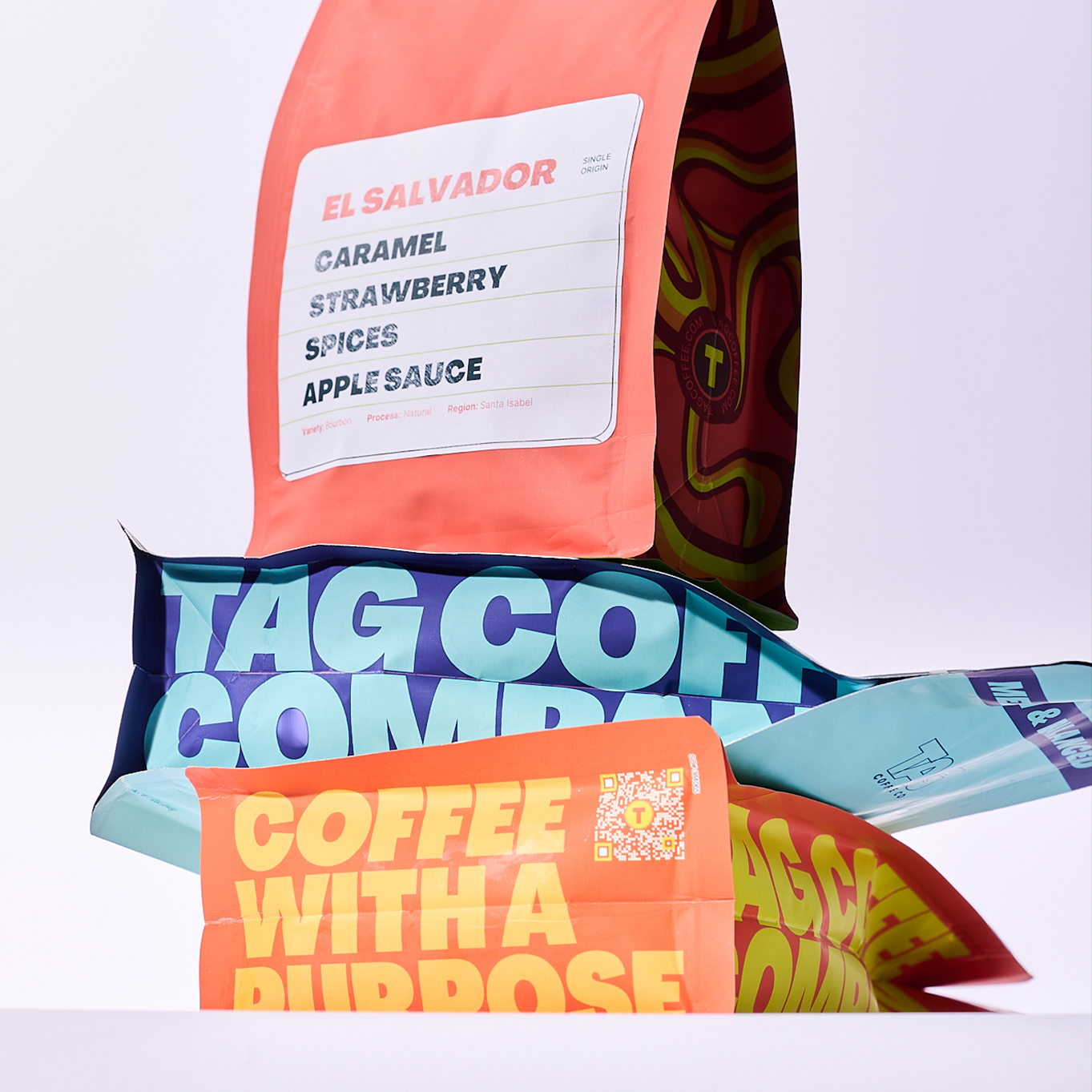
So If you like Mellow classic, sweet smoothness, Try Hopscotch or Colombia.
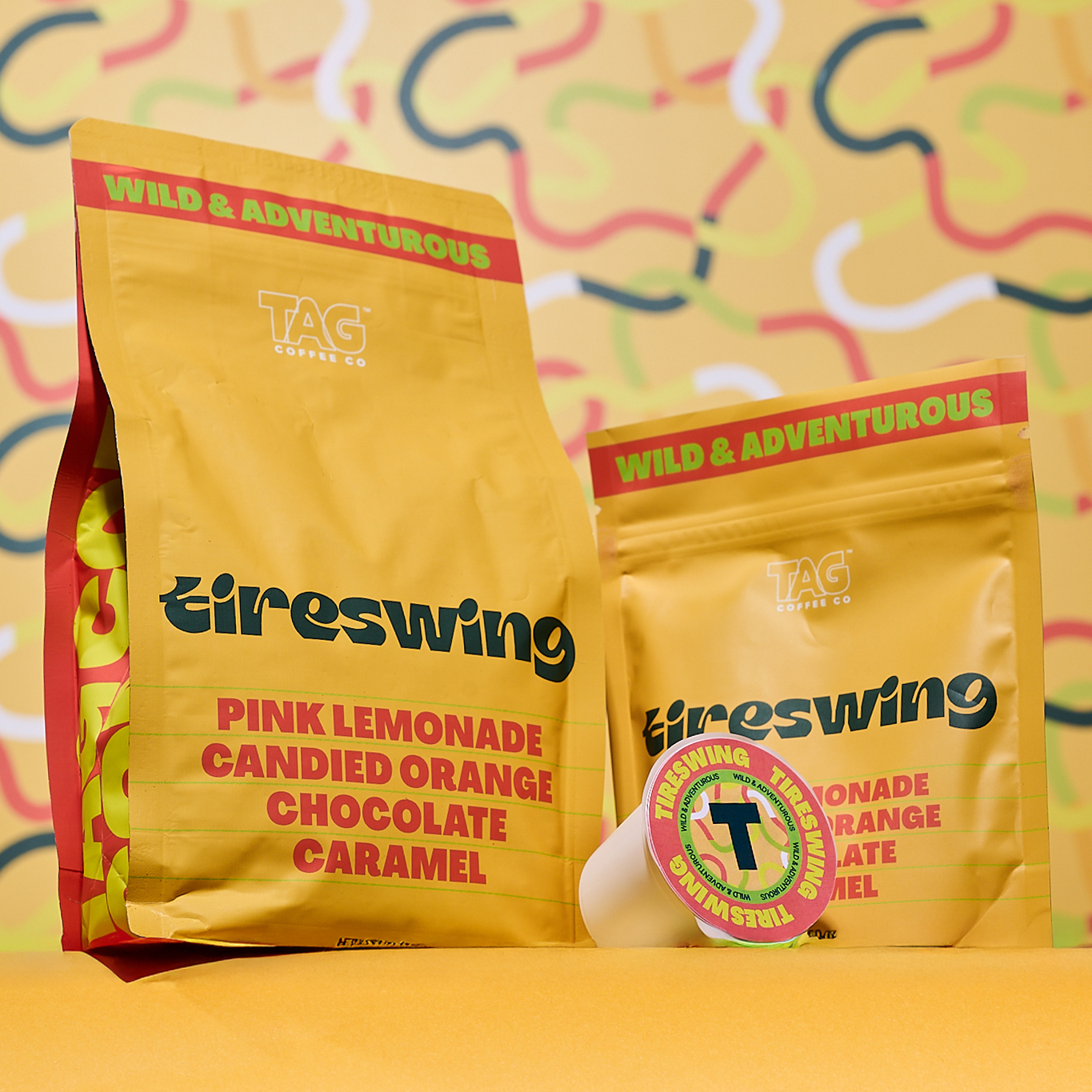
If you like Wild bright fruity flavors try Kenya, Ethiopia or Tireswing.
If you like a more intense flavor that has fewer Bolder notes, Try Campfire or Brazil!
At Tag we have something for everyone, not because we are awesome, because coffee is awesome.


