


Maybe you’ve heard: pour-over coffee is having a moment right now. Once reserved for specialty coffee shops and serious coffee enthusiasts, pour-over brewing has become a go-to way for everyday coffee drinkers to make a better cup at home.
Unlike a traditional drip coffee maker, pour-over coffee gives you complete control over the brewing process—helping to bring out the unique flavors and aromas of your favorite beans. Give us five minutes to convince you to adopt this simple (but incredibly delicious!) brewing method.
Hey, so, what’s a pour over?
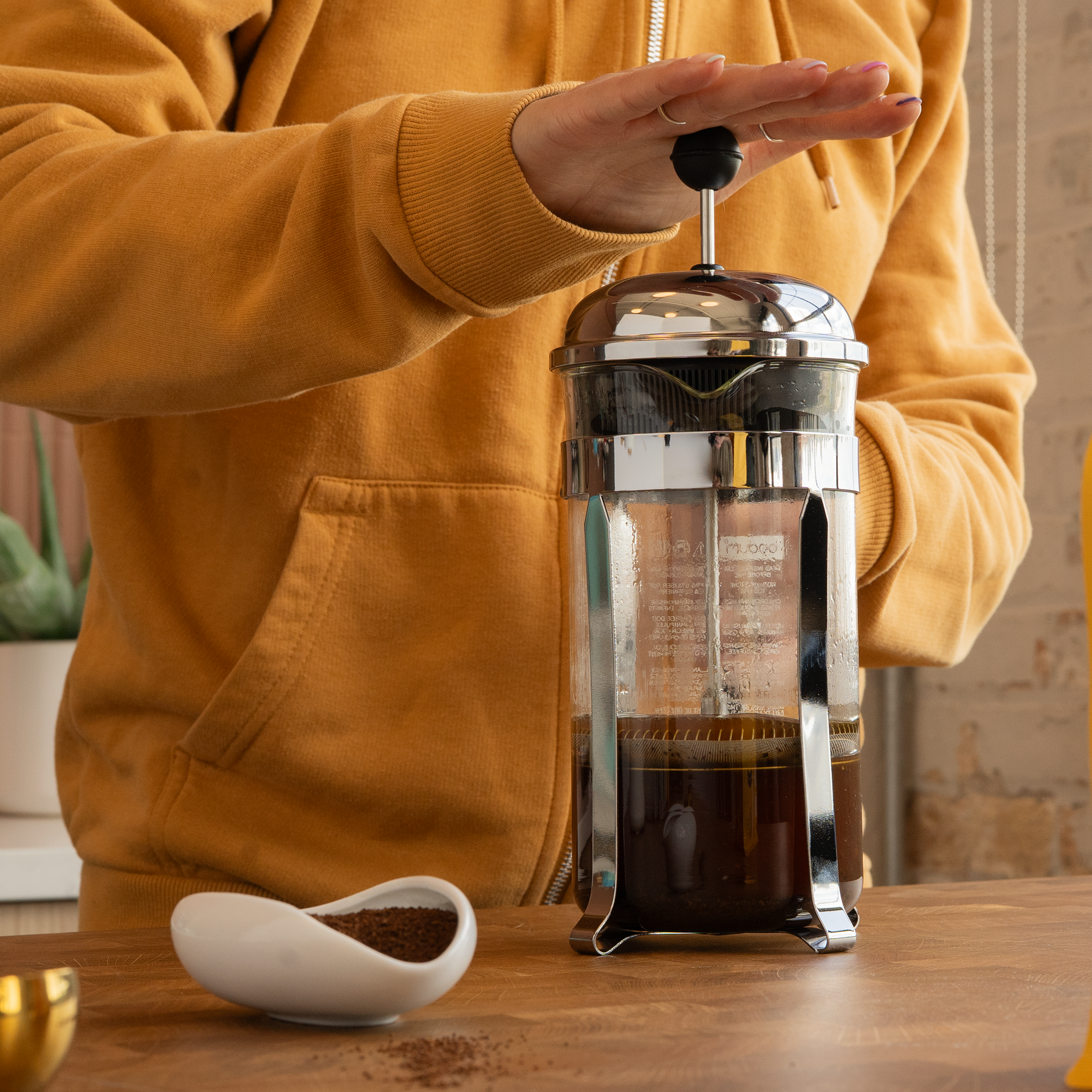
It sounds kind of fancy when you see it on a cafe menu, but at its heart, a pour over is simple: it’s any coffee that you make by hand-pouring the water through the grounds. That “through” is the defining detail: a pour-over is manual, and the water passes through the bed of grounds on its way to the cup. Manual methods where all the water sits in contact with all the coffee at once—a French press, for example—are a different family called “full immersion.” (Fun history note: the earliest coffee drinkers actually boiled their grounds right in the pot. The pour over as we know it didn’t arrive until 1908, when a German coffee lover named Melitta Bentz got tired of bitter, gritty cups and brewed through paper instead.) These days, most people rely on name-brand pour-over equipment like the V60, Chemex or Kalita Wave. Each of these relies on the same basic steps:
-
Heating water in a kettle until it’s just off the boil (about 195–205°F)
-
Weighing out your coffee in grams and grinding it—medium for most brewers, but coarser for a Chemex, whose thicker filter and brewing geometry slow the flow—then adding it to the filter on the carafe
-
Setting the brewer on a scale and pouring by weight — a small first pour to wet the grounds and let them bloom (that’s pre-infusion, and it’s part of every pour over), then the rest in stages, with the whole brew landing somewhere around 2:30–5 minutes
Yes, there are some additional tricks to get the best results. (See our V60 guide or Chemex guide for the exact steps.) But that’s how straightforward it is.
Why make a pour-over instead of drip coffee?
There’s a wonderful handcrafted feeling when you make your own pour-over. But beyond that, this brewing method gives you more control over executing an even extraction—and an even extraction uncovers flavors that can turn indistinct when coffee is over-, under-, or unevenly extracted. You may find that the same coffee beans taste noticeably different when made with a pour-over, with notes of citrus, berries, chocolate and caramel coming through distinct and clear instead of muddled together.
Aren’t pour-overs only for coffee snobs?
We think they’re for anyone who appreciates excellent coffee. Sure, over time, you may find that drinking pour overs marked your transition from “I drink caffeine every day” to “I’m really into coffee,” but you don’t have to be an expert to start. Pour-over coffee is your opportunity to experience more flavorful single origins, special edition roasts and other coffees that deliver the next level of complexity. You also get to really control every aspect of the brewing process and make each cup your own.
But aren’t pour-overs expensive?
Everyone’s budget is different, but most pour-over setups cost less than a good drip machine. And because they don’t rely on any technology or moving parts, you could conceivably use your pour-over equipment for decades or more. You’ll find that having this arrow in your quiver is well worth it for just how good the coffee can taste.
What’s the best coffee for pour-over?
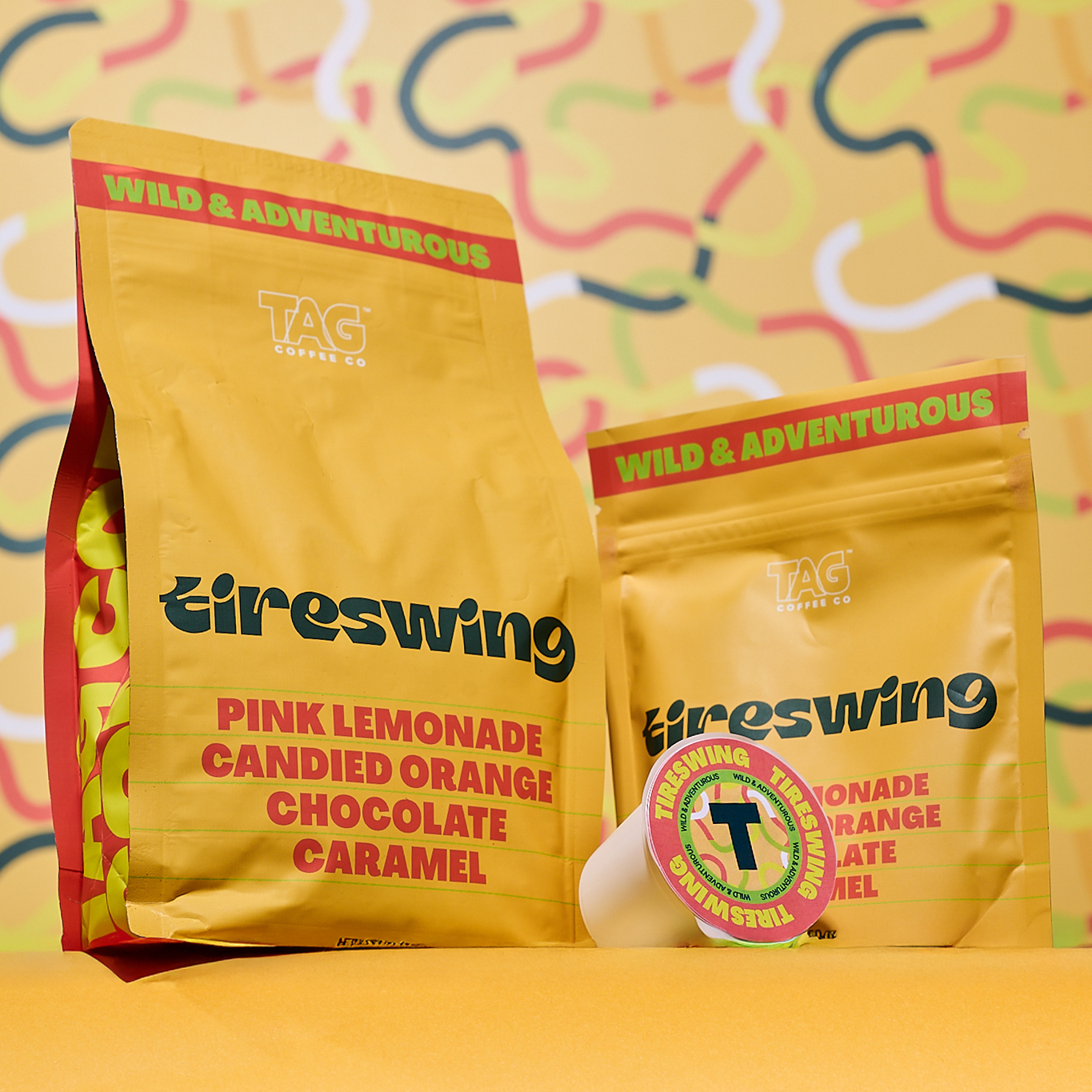
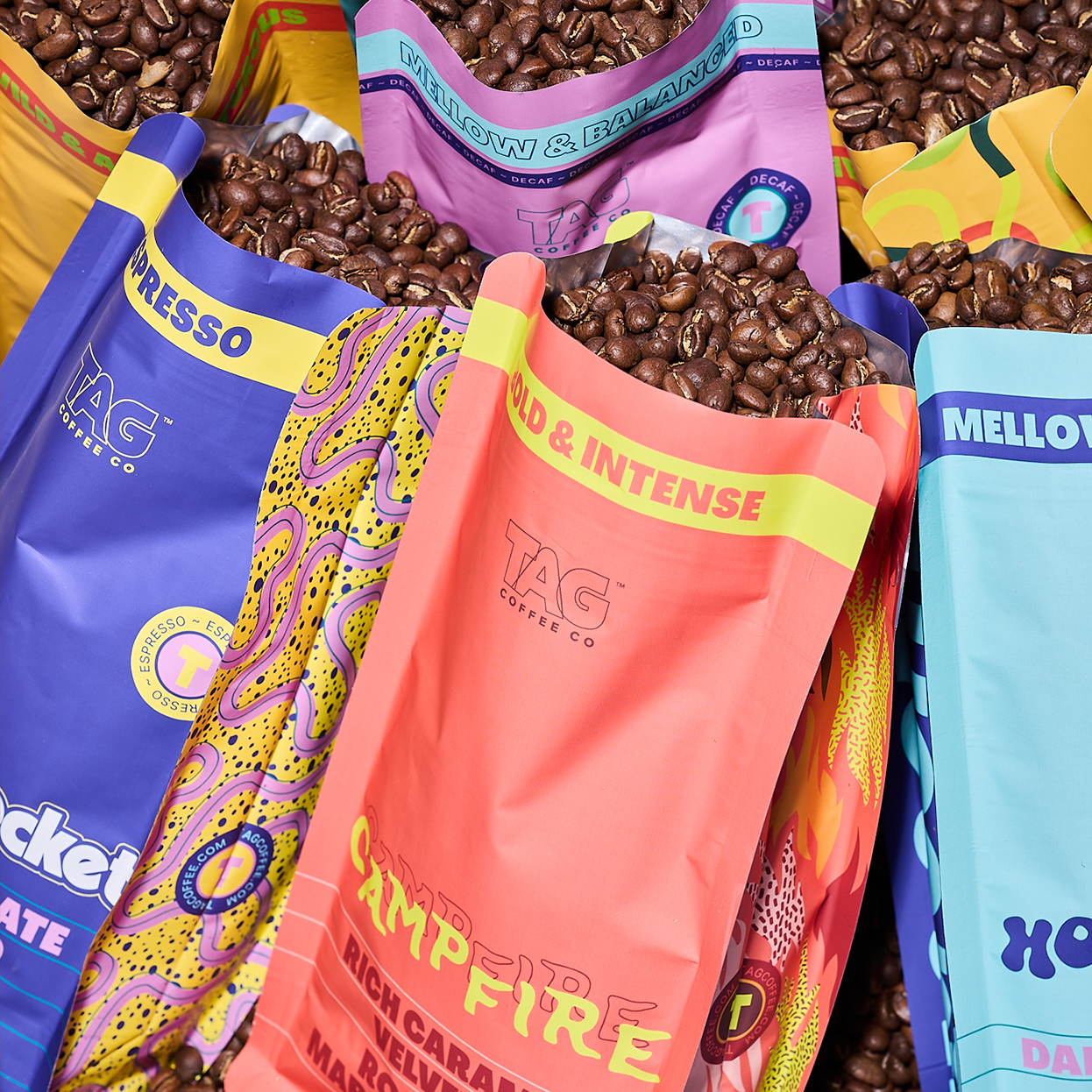
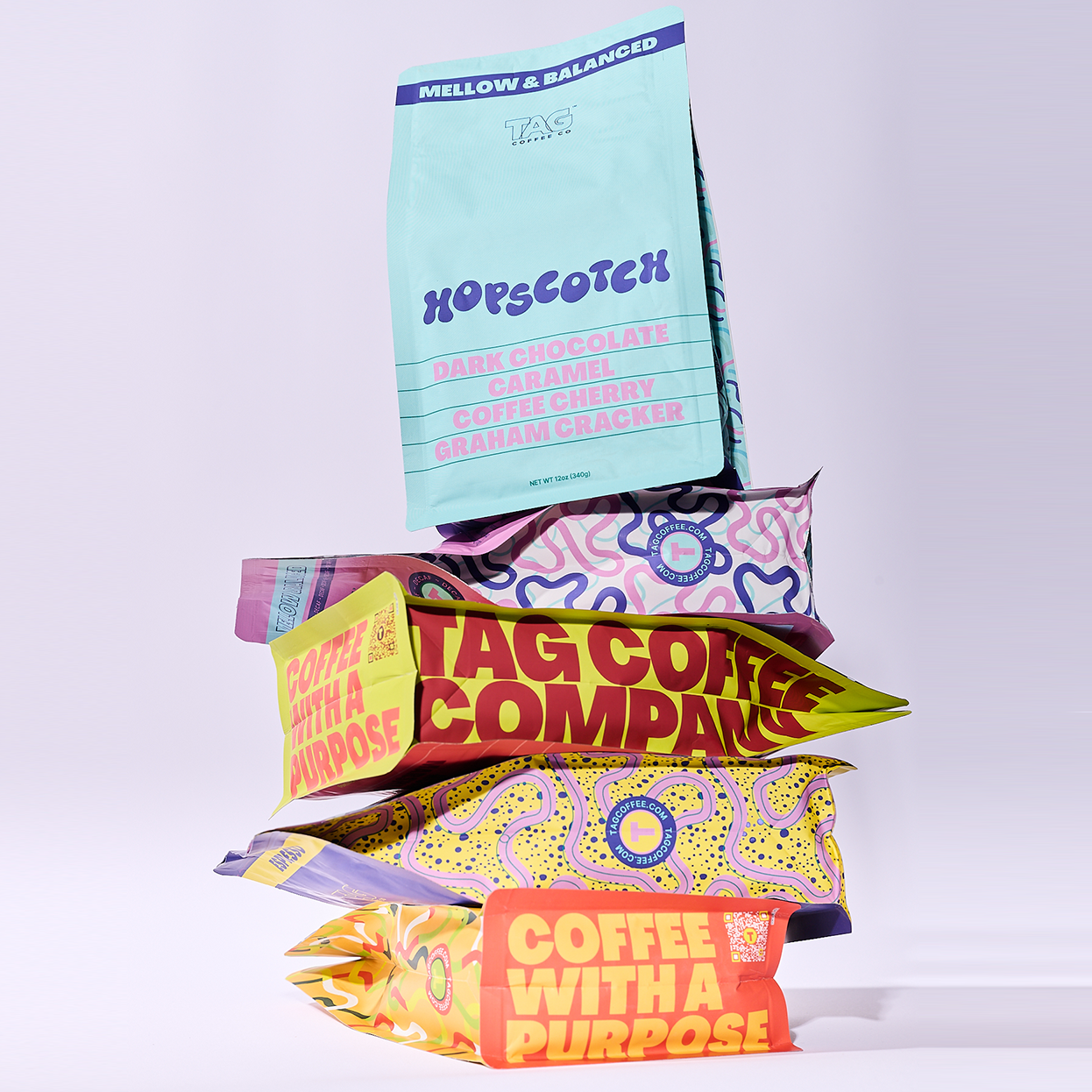
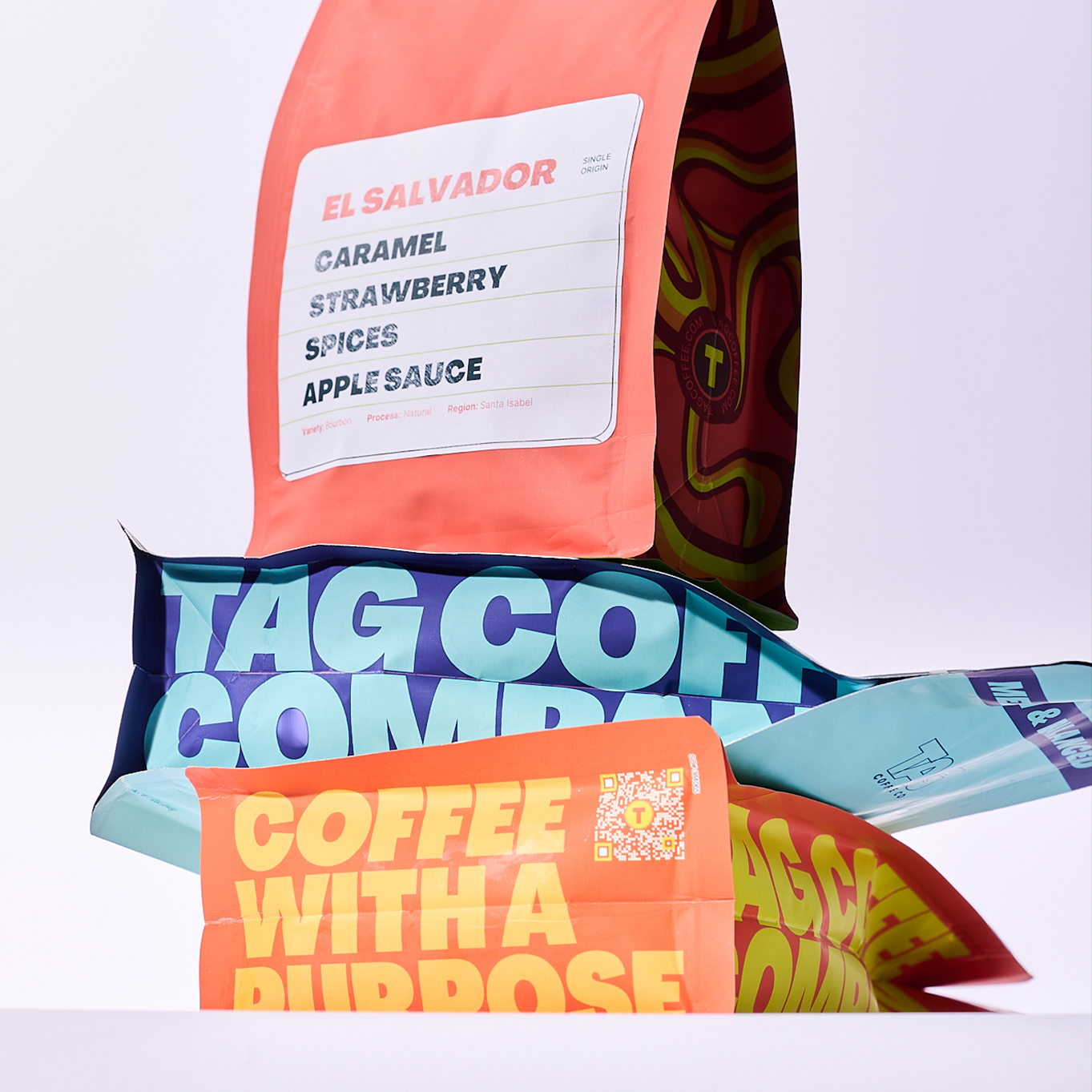
Most great coffee beans will make a great pour-over. Remember: because a pour-over showcases the true essence of the beans, the strengths (or weaknesses!) of the beans you use will seriously stand out. Fresh, expertly roasted beans are going to shine. Beans that were roasted months ago and have been sitting on a shelf, though, are going to taste flat. At Tag, all of our beans are freshly roasted in San Antonio—with the roasted-on date handwritten on every bag—and are ideal for pour-overs: particularly our Wild & Adventurous coffees and Single Origins.
Anything else to tell me before we’re done?
Yes, one heads-up: if your first pour-over is one of our bright, fruity coffees like Kenya, Ethiopia or Tireswing, don’t be surprised when berry or citrus notes come through loud and clear. It will still taste like coffee—just a coffee that’s supposed to taste like berries, or lemon, or apple, or nougat. Nothing went wrong; that’s the bean doing exactly what it should.
Ready to make it a reality? Shop our full coffee assortment and then grab a V60 kit to start your pour-over adventure and experience every last tasting note. Not because pour-overs are fancy, but because coffee made with a little care really is that good.


