



So you’ve read our “6 Ways to Drink Better Coffee at Home” post and you’re back for more. We’re ready for you! Here are 6 additional things to think about as you continue to work toward better-tasting coffee. You don’t have to try all of these tricks right now, but integrate them into your routine as you can and we think you’ll start to taste the difference in your home brewed coffee.
Buy fresh-roasted coffee beans.
Get fresh coffee and brew it 1-3 weeks after the roast. Right out of the roaster, it’s still releasing CO2, which makes it hard to extract evenly and can leave it tasting flat and roasty, or sour and under-extracted. But between about a week and two weeks off roast, it settles in, and that’s when flavor and aroma are at their best. Using fresh beans is the single most important thing you can do to ensure your coffee is excellent, and we’ve got you covered: our beans get to your doorstep typically within a week of roasting, which is when they’re at the peak of their flavor and aroma. It’s nearly impossible to find beans this fresh on your local grocery store shelves.
Use good water, but not distilled water.
Your brewed coffee is approximately 98% water, and yet most people don’t think about what water they’re using to brew. If you’re using tap water, consider buying a filter—hard water or overly chlorinated water can absolutely affect the flavor of your coffee. If you prefer bottled water, make sure you don’t use water that’s distilled. You’d think that distilled water would be better, but it’s actually not: it doesn’t have enough of the minerals that help extract flavor from the coffee grounds.
Clean your coffee maker!
We get it, it’s not fun. But a clean coffee maker brews coffee with fewer impurities and it may help clear your mind, too. Clean your gear according to the manufacturer’s instructions and don’t forget to clean your grinder as well. Your grinder can collect old coffee oils and residue that can make even the freshest coffee taste bitter or stale. Making better coffee at home requires setting yourself up for success.

Measure your coffee instead of eyeballing it.
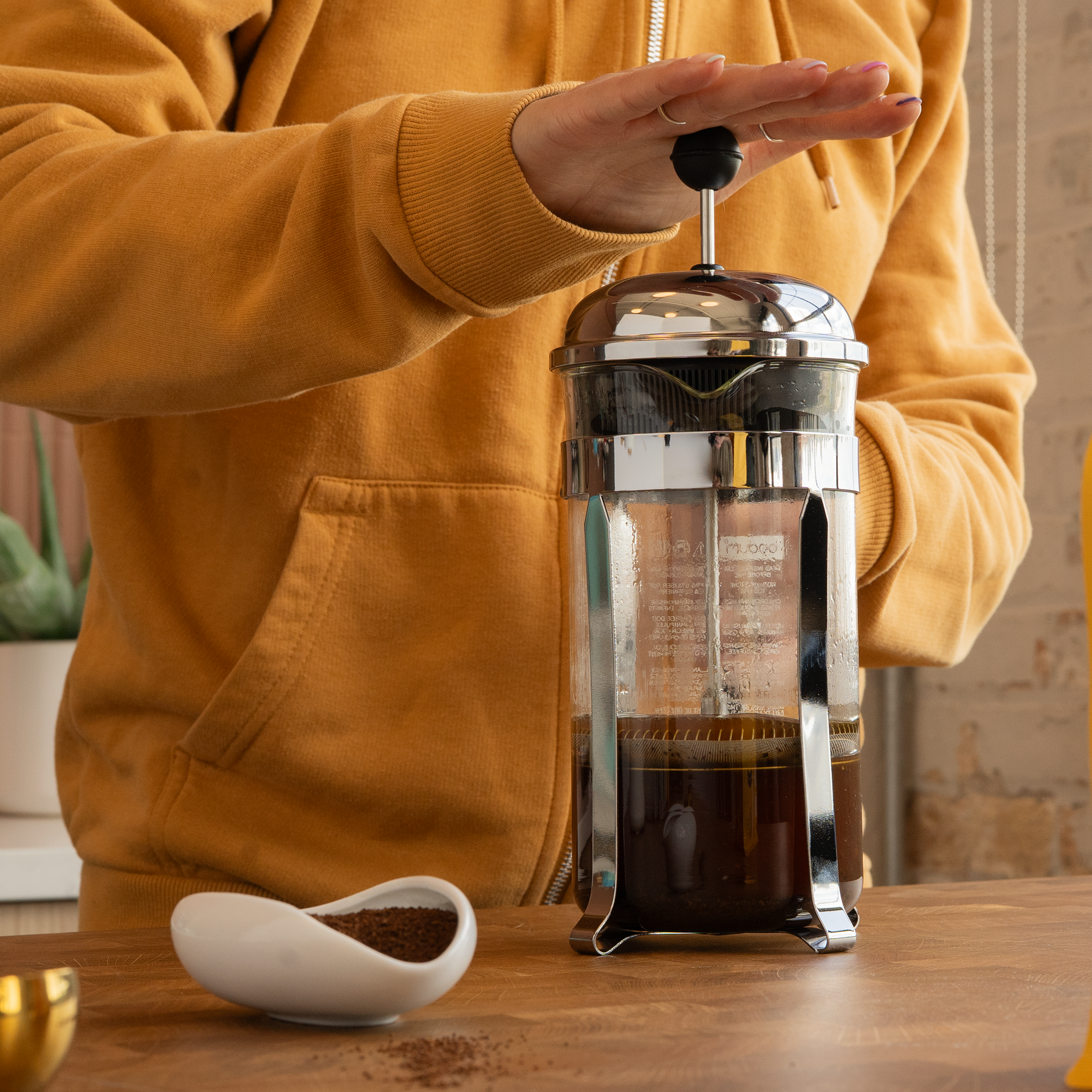
Guesswork can produce decent coffee, but measuring makes it exceptional. Get some measuring spoons and stay consistent with your quantities: we recommend 2 to 2.5 tablespoons of coffee grounds per 8 oz of water. Or better yet, purchase a coffee scale and dial in your measurements exactly, aiming for 22 grams of coffee per 320 grams of water. (Not only does this give you great results, it looks pretty impressive to whip out the science equipment for brewing when you have guests over.)
Drink it black once in a while.
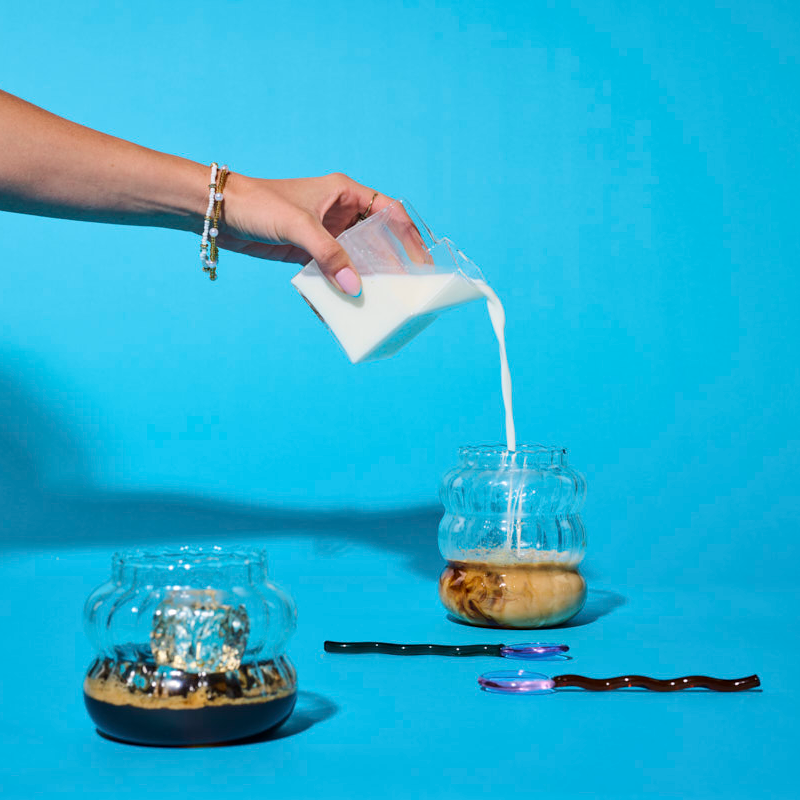
Coffee is about the experience. Even if you’re a milk, sugar or creamer devotee, taste your coffee black from time to time to get the full flavor adventure. When you do this, you’ll discover how a citrusy coffee from Rwanda or Ethiopia tastes completely different than a bold, chocolatey coffee from Brazil. You might also find that your tastes have evolved and that you prefer more of the true coffee taste than you realized. The same goes for our black coffee lovers—let a friend make you a blended drink or an iced coffee concoction that you’ve never had before, and explore some new flavors.
Let your coffee cool slightly before you drink it.
Like an amazing cut of steak coming off the grill, coffee needs to rest for a few moments before you enjoy it. Otherwise, the heat of the coffee can hide some of its true flavors and give you a mistaken impression of the actual taste. Pour your coffee and wait 2-3 minutes before drinking. We know, the suspense is unbearable… but it’s worth it.
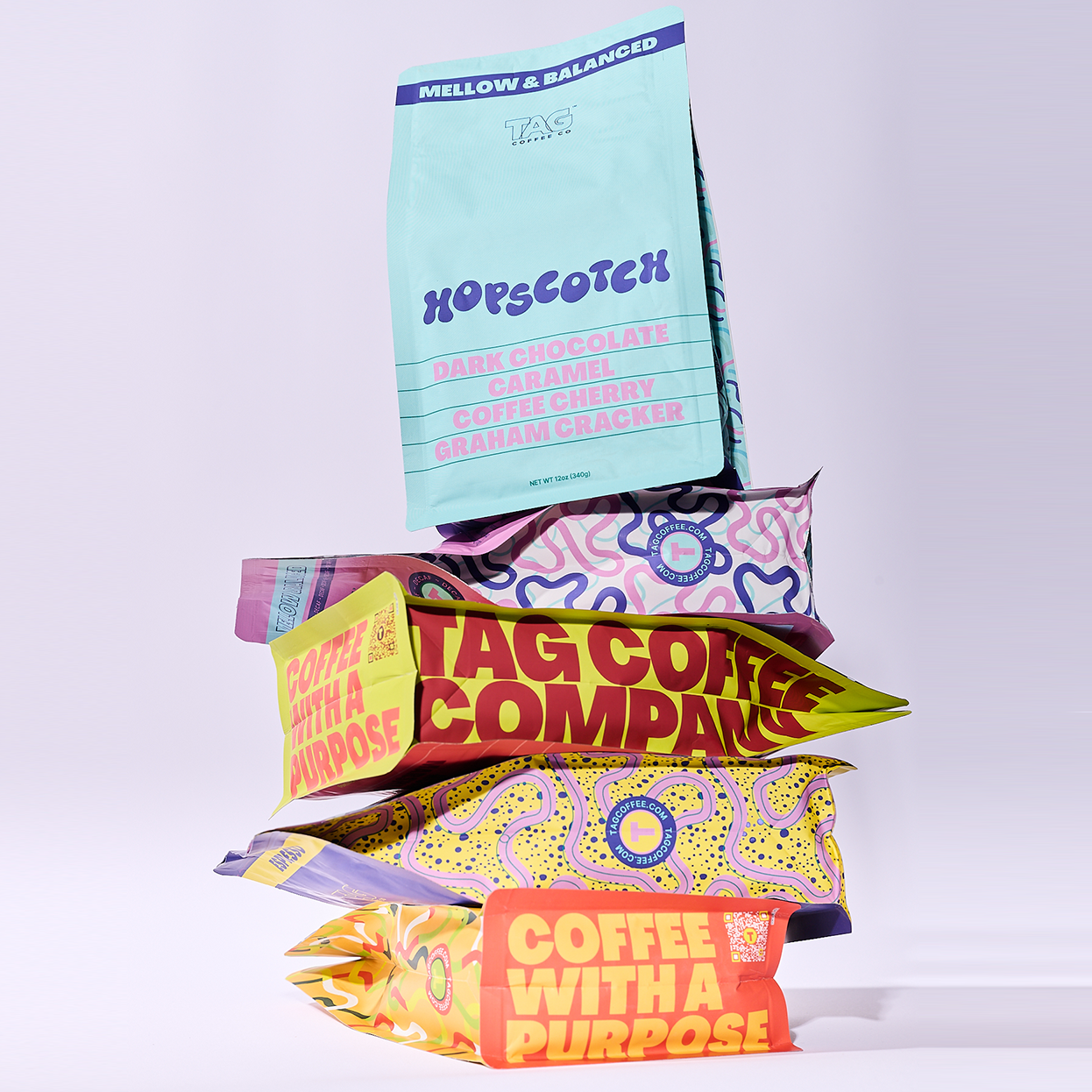
When you get more thoughtful about your brew—and start with super fresh beans—making great coffee at home gets easier. Take some simple measurements, use high-quality water and see how adjusting your technique affects the flavor of your coffee. And if you’re looking to try something new, consider our fan-favorite Tag Sampler Pack that includes three of our best-selling blends.


