



Brew enough coffee in your life and eventually it will happen to you: you pour a beautiful cup, take a sip and you’re hit with the harsh taste of burnt coffee. But don’t fret! There’s usually a simple explanation for this flavor, and we can solve it together.
Here are our 6 reasons why your coffee tastes burnt, with adjustments you can make to avoid it in the future.
Your coffee is over-extracted.
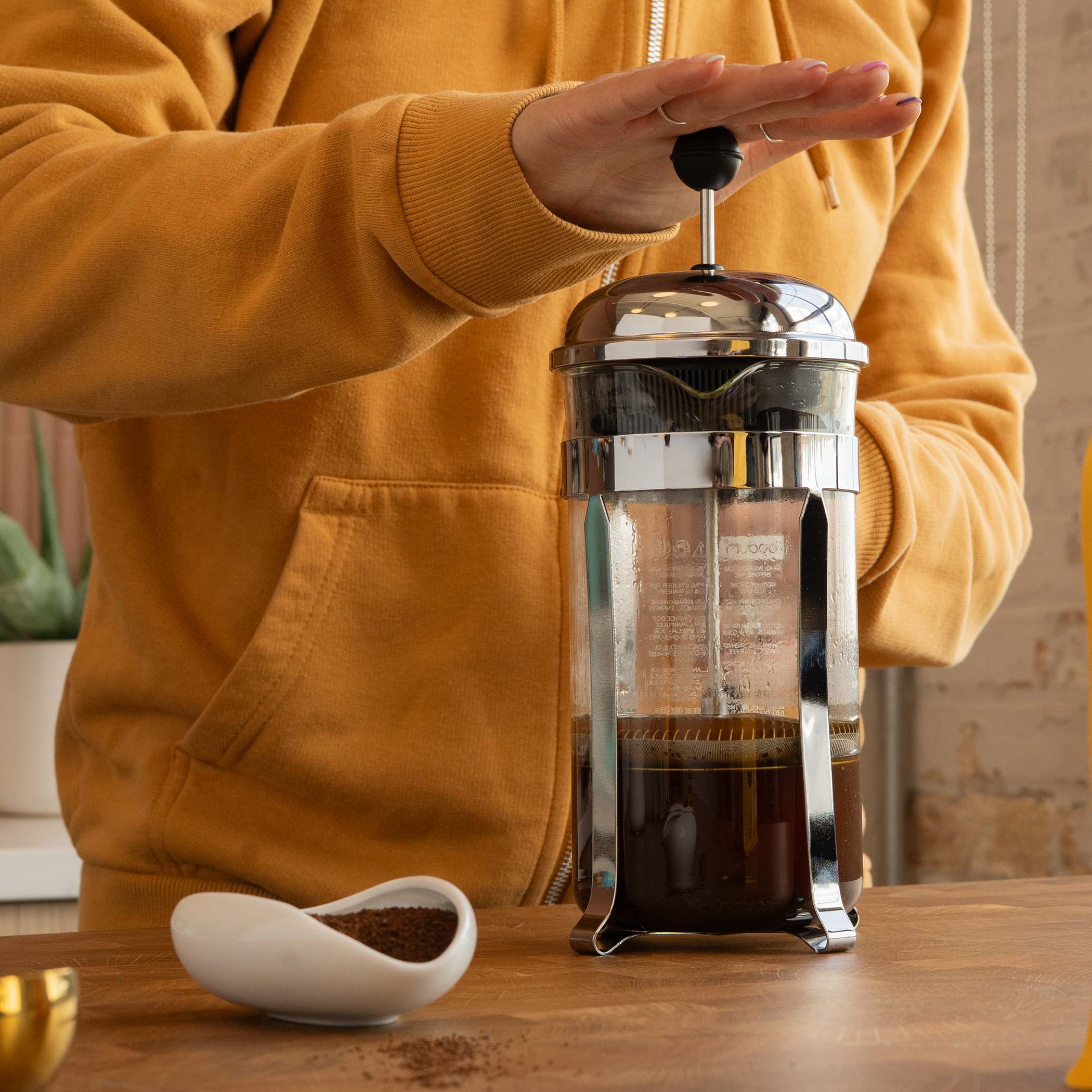
Let’s talk about what’s happening during the brewing process. Regardless of whether you’re using a drip machine, pour-over, French press or some other method, coffee brewing always comes down to water meeting ground coffee and dissolving the good stuff out of it. Whether the water passes through the grounds (pour over, drip) or steeps with them (French press), it picks up the natural flavors and oils from the grounds along the way. It’s simple, but it requires the right proportion of water to grounds, and the right grind so that you don’t extract too much or too little from the grounds. If you’re tasting harsh, bitter coffee that borders on burnt-tasting, your beans may be ground too fine for the brewing method. Or the water simply spent too much time with the grounds.
Grinding beans yourself? Try again with a grind that’s more coarse.
Your water is too hot.
Brewing with exceptionally hot water? That can cause over-extraction, too. People don’t think of coffee as a fresh food, but it is—and high temperatures can change its flavor just like with any other food. Always aim for a water temperature of 195–205°F to extract the perfect flavor from your coffee without overdoing it. Your water reaches this temperature at about 30-45 seconds off the boil.
Your beans have gone stale.
The best coffee has a balance of flavors: sweetness, bitterness and an array of flavor notes. But over months, coffee can lose its sweetness and complexity and you’re left with mostly the bitterness and a flat, papery taste.
Is your palate telling you that you’re drinking old coffee? Check the roast date and how you’ve been storing your beans. At Tag, we’re obsessive about freshness, which is why we handwrite the roasted-on date on every bag and get most beans to your doorstep within 1-2 weeks of roasting.
You’re brewing with a very dark roast.
It’s always possible that it’s the beans’ fault, especially if you’re brewing a very dark roast. Dark roast is not some sort of coffee offense—I was a dark roast guy myself in the past—but roasting that far leaves very little room for error. Dark roasting has sometimes been used as a way to cover the flaws of inferior beans, and occasionally a roast gets pushed past where the coffee has anything left to say.
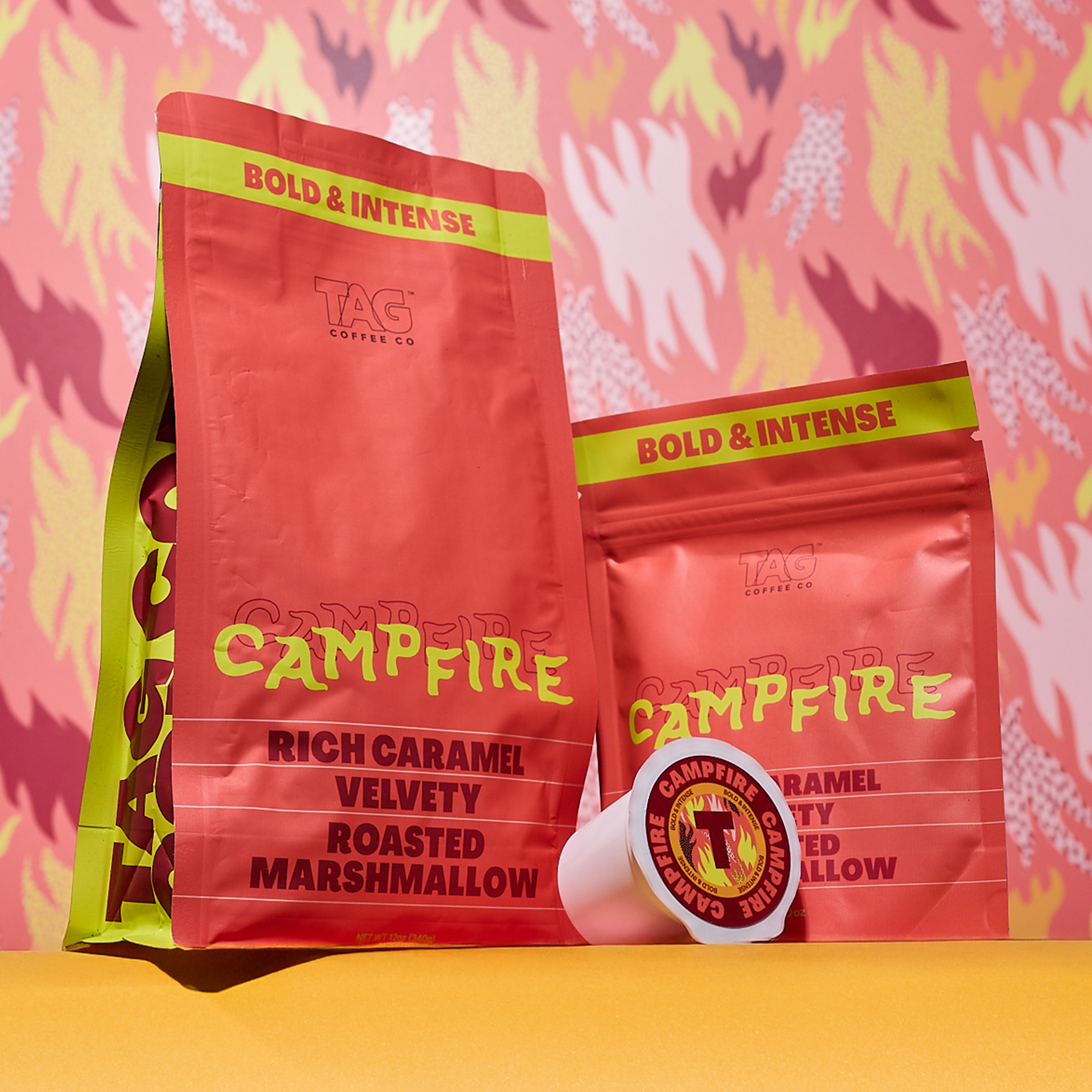
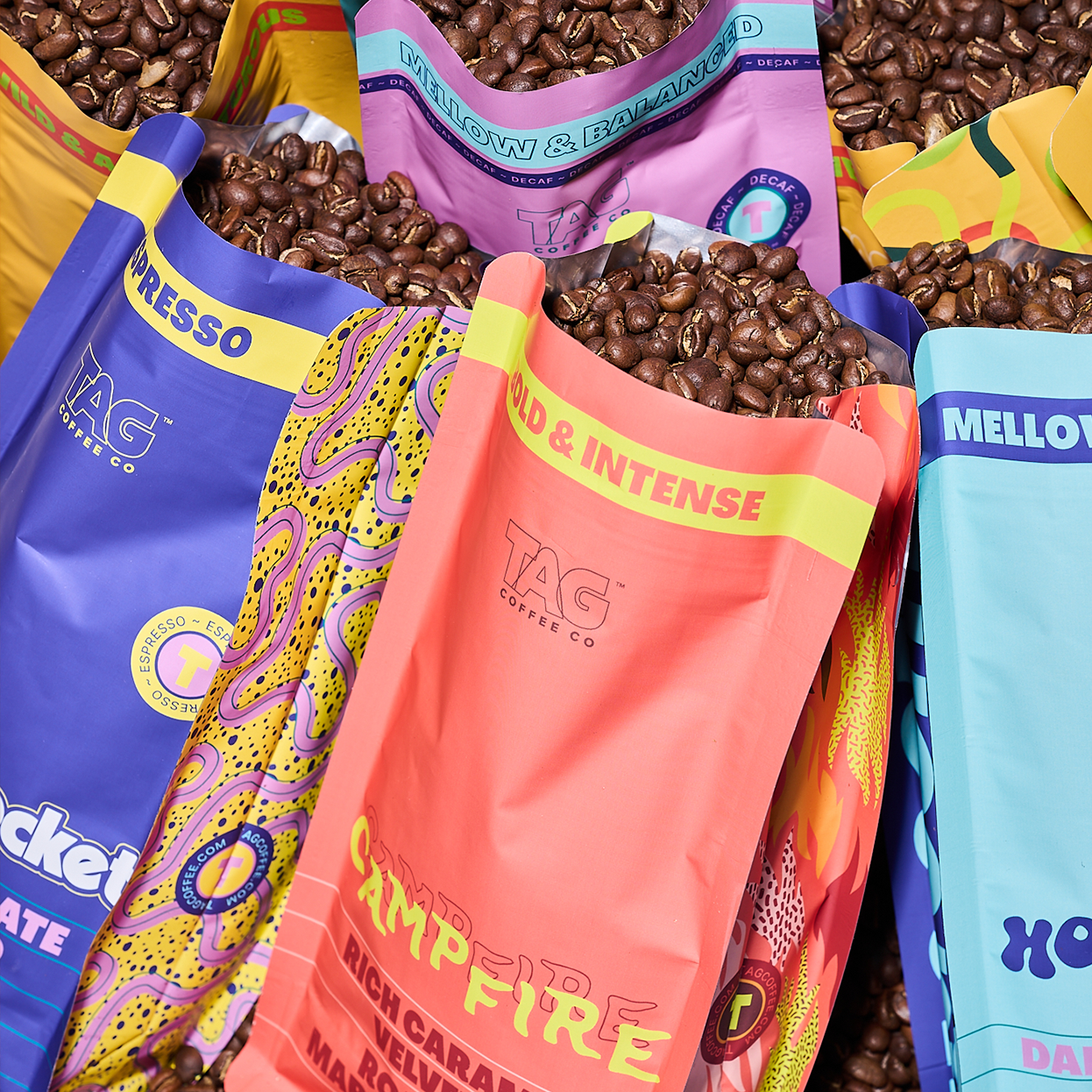
Color is no indicator of what’s inside, but flavor is: when the sugars in the bean go past caramelized and into carbon, that’s the burnt taste. If that toasty, smoky flavor is what you love, no judgment at all—can we suggest our Campfire blend? It’s the one coffee we roast a little longer on purpose, so you still get that roasty, toasty depth you’re used to, with the sweetness left intact.
The coffee was sitting for too long.
Your drip coffee maker has good intentions. Unfortunately, “keeping the coffee hot” can quickly turn into “cooking the coffee.” So it could be that your coffee picked up that scorched flavor from sitting too long on the hot plate. We all love hot coffee, but don’t overdo it—time spent heating can change the flavor of your coffee and impart the burnt flavor we’re trying to avoid. If you’re not drinking it right away, pour the rest into an insulated carafe or thermos instead of leaving it on the burner.
Your coffee equipment needs to be cleaned.
This is less likely if your coffee tastes extremely burnt, but it is possible that old grounds, residues and oils are contaminating your coffee. Clean your equipment regularly so that your brew is as pure as possible. So much effort went into planting, cultivating, processing, roasting and packaging your beans, and they deserve a clean brewing experience!
Burnt coffee usually stems from either the beans, the extraction or how long the coffee heats after brewing. For the quickest fix, try brewing another cup with fresh beans, a slightly coarser grind and water around 200°F, then adjust from there.
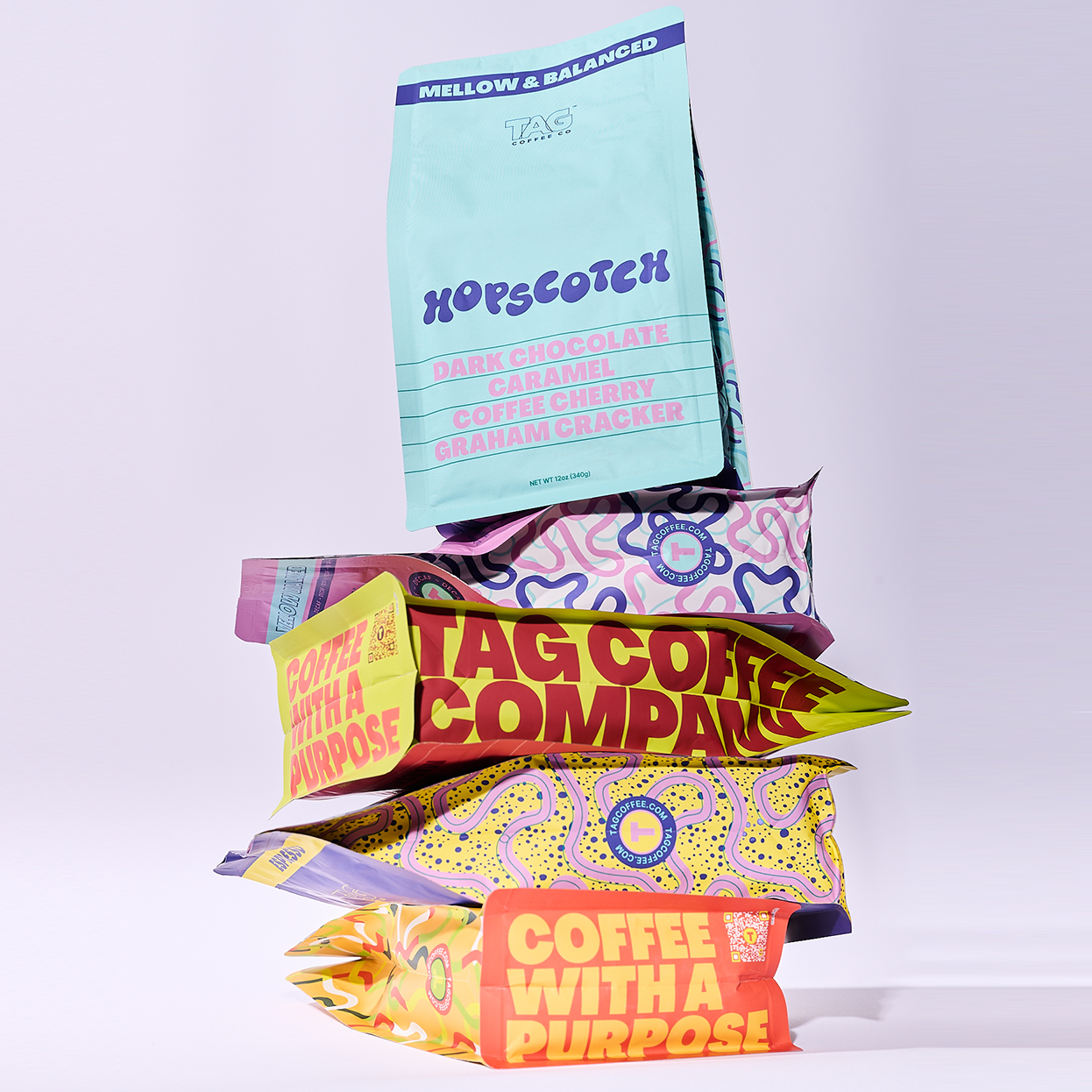
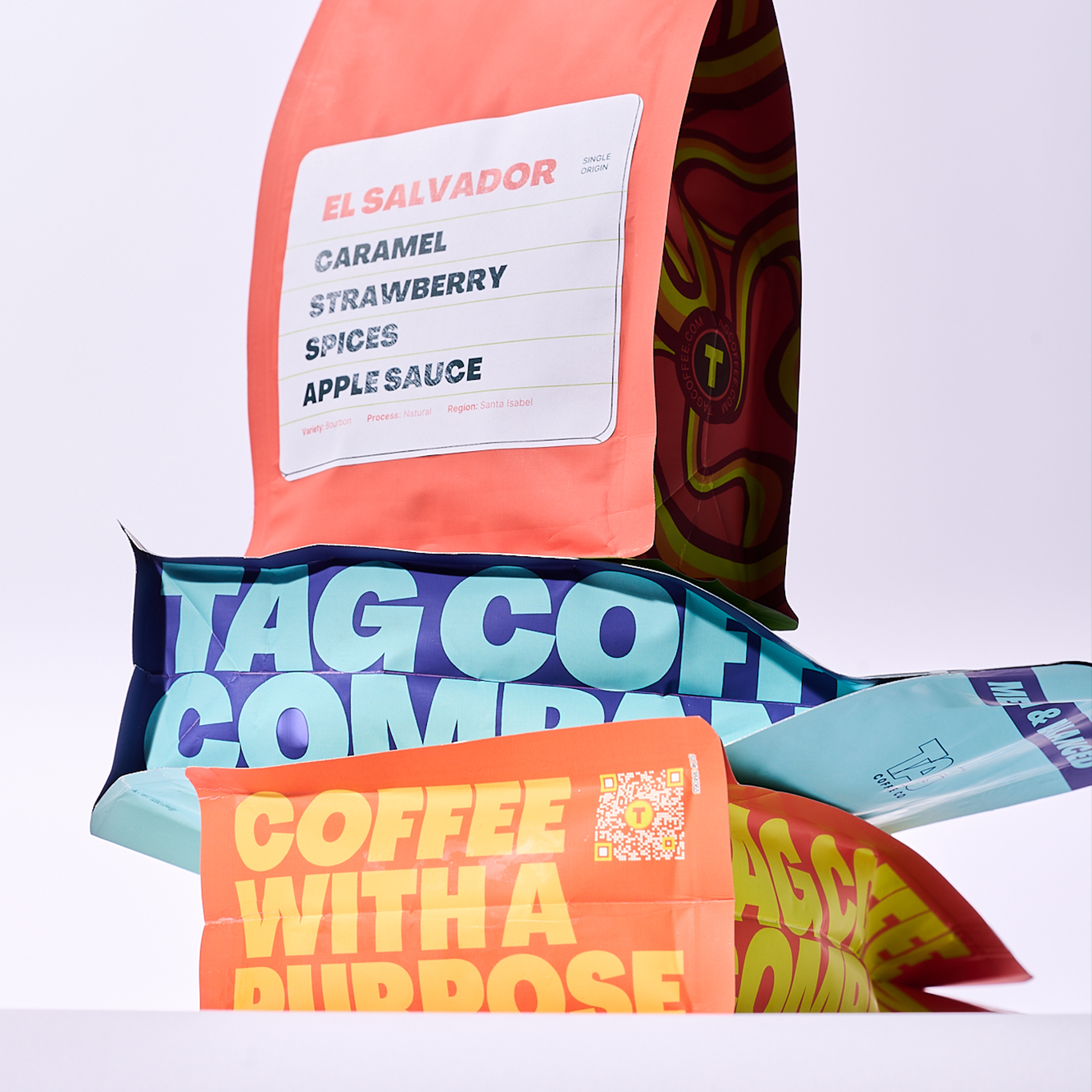
And speaking of fresh beans: we’ve got you covered with exceptional beans in our Mellow & Balanced, Bold & Intense and Wild & Adventurous taste profiles. They’re freshly roasted every day in San Antonio, so you can spend less time wondering what went wrong with your coffee and more time enjoying it.


